

LAWN PHIX PRO TIPS
Chickweed is one of the most common fall/winter broadleaf weeds I see around here in New England – the two types being mouse-ear and common chickweed. These annual weeds germinate in the fall and winter and if left untreated, can quickly and aggressively spread in a prostrate manner. I’ve found that a selective three- or four-way herbicide like Speedzone or T-Zone in the fall (and early spring) is enough to knock out chickweed from my lawns and landscape beds.
Table of Contents
How to Get Rid of Chickweed in Your Lawn
Chickweed is one of the most common broadleaf weeds I encounter in New England lawns. Known for its small white flowers and aggressive spread, this weed can quickly invade thin or poorly maintained lawns. The good news? Chickweed is manageable with the right strategies for treatment and prevention. Here’s how I handle chickweed for Lawn Phix customers to keep their lawns healthy and weed-free.
What is Chickweed?
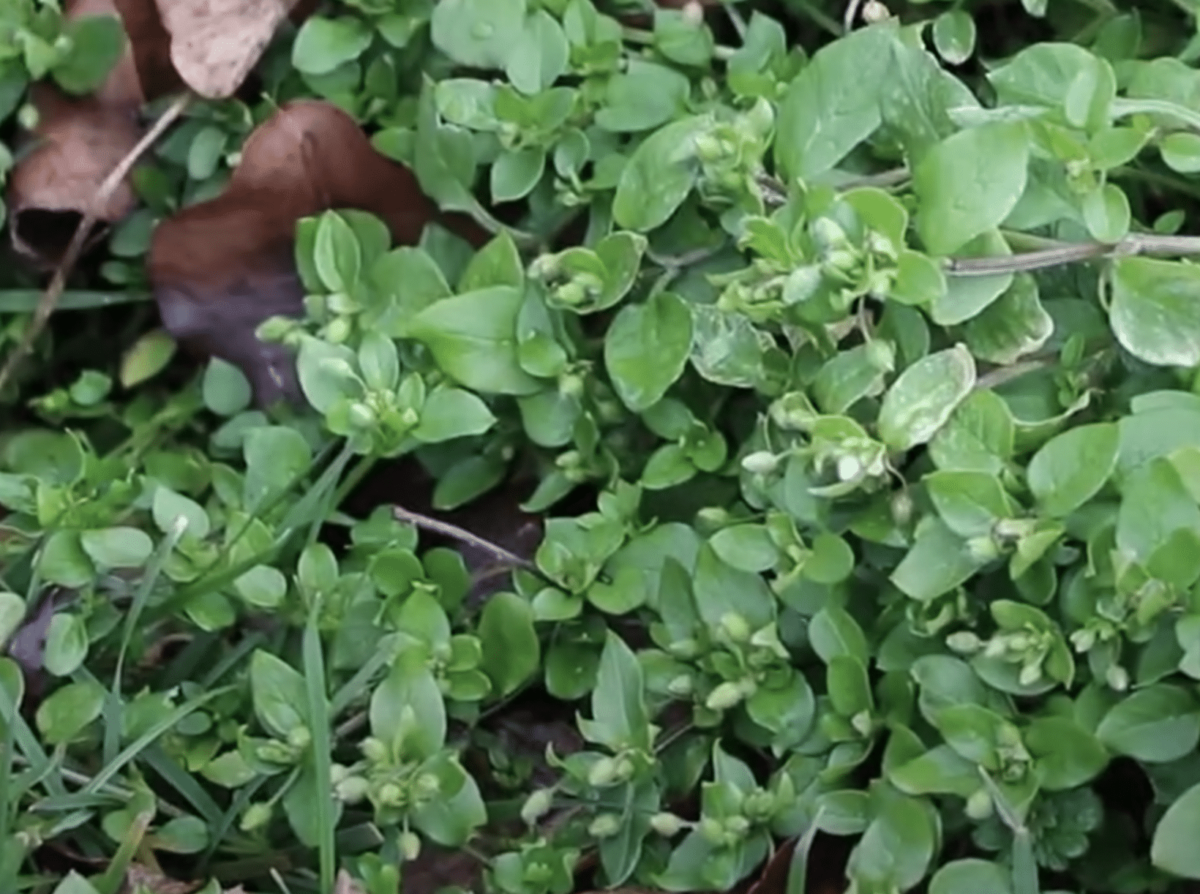
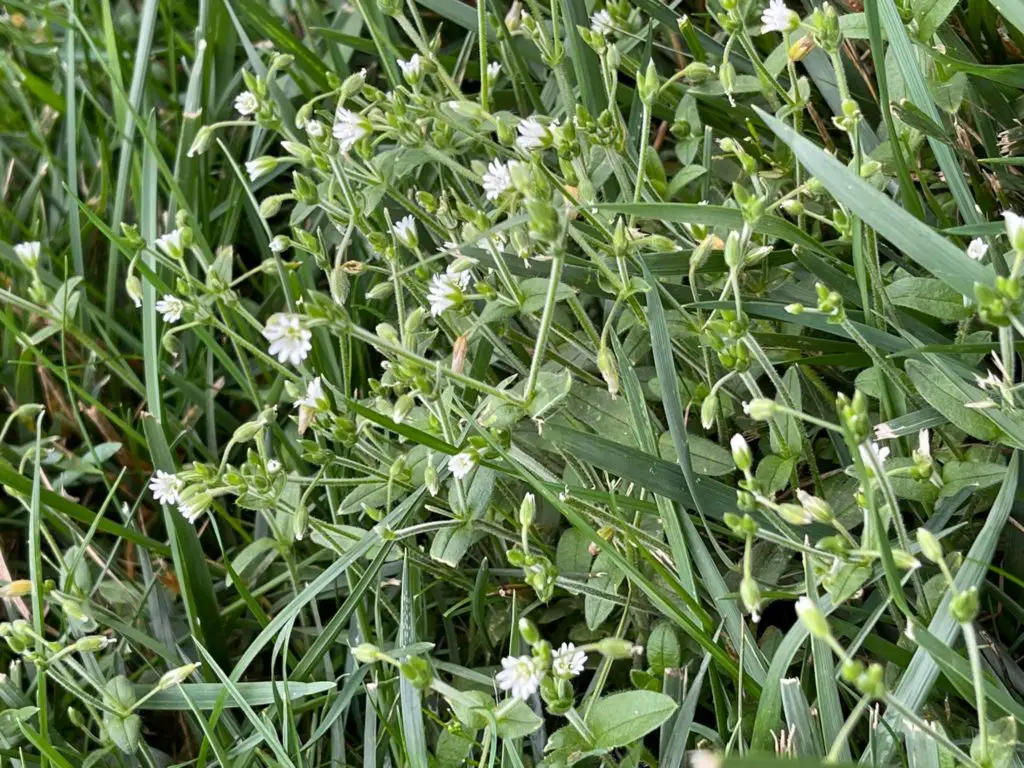
Chickweed refers to two types: common chickweed (Stellaria media) and mouse-ear chickweed (Cerastium vulgatum). The primary difference lies in the texture: mouse-ear chickweed has hairy leaves, while common chickweed has smooth leaves.
Both types are annual weeds that germinate in the fall or winter, thriving in moist, compacted soils. Chickweed produces small, star-shaped white flowers in the spring and forms dense mats that can outcompete desirable turf.
How to Identify Chickweed
Here’s how you can spot chickweed in your lawn:
- Leaves: Egg-shaped and small; mouse-ear chickweed has noticeable hairs.
- Flowers: White, star-like flowers that rarely grow taller than two inches.
- Growth Habit: Forms dense mats with a shallow root system, making it easy to pull by hand.
- Spread: Reproduces through seeds that germinate quickly in the fall or early spring.
If left untreated, chickweed can spread aggressively across bare soil, thin lawns, and garden beds.
How to Kill Chickweed
Eliminating chickweed is straightforward if addressed early. Here are the best methods I recommend:
1. Remove Chickweed by Hand
For small infestations, hand-pulling is an effective and eco-friendly option. Due to its shallow root system, chickweed is relatively easy to remove manually.
Pro Tip: Pull chickweed after rain when the soil is moist. This helps ensure the entire root system is removed to prevent regrowth.
2. Use Selective Herbicides
For larger infestations, a selective weed killer is the most efficient solution. Herbicides containing 2,4-D, dicamba, or MCPP work well on chickweed without harming your grass.
I use products like T-Zone or SpeedZone for my Lawn Phix customers to target broadleaf weeds, including chickweed. Apply herbicides in the early spring when chickweed is actively growing.
3. Fertilizer and Weed Killer Combos
Combination products that include both a fertilizer and weed killer can help address chickweed while feeding your lawn. These are great for overall lawn health and weed control.
Note: Always follow label instructions and wear protective gear when applying herbicides to avoid damaging surrounding plants.
How to Prevent Chickweed
Prevention is the best strategy when it comes to chickweed. A thick, healthy lawn is your lawn’s first line of defense.
Maintain a Healthy Lawn
Healthy turf naturally crowds out chickweed and other weeds. Here’s how I keep lawns dense and resilient:
- Mow High: Keep grass at 3-4 inches to shade the soil and discourage weed seeds from germinating.
- Aerate and Overseed: Address compacted soil by aerating in the fall and overseeding bare spots with high-quality grass seed.
- Feed Your Lawn: Fertilize 2-4 times per year to promote strong roots and healthy grass growth.
Apply Pre-Emergent Herbicides
For proactive control, apply a pre-emergent herbicide in the fall to stop chickweed seeds from germinating. Products like Prodiamine work well and help prevent most annual weeds from taking hold.
FAQs About Chickweed
What will kill chickweed but not grass?
Selective herbicides containing 2,4-D, dicamba, or MCPP target chickweed without harming most turfgrass species.
How do I permanently get rid of chickweed?
Combine consistent cultural practices like mowing high, aerating, and fertilizing with timely applications of pre- and post-emergent herbicides.
Why does my lawn have chickweed?
Chickweed thrives in moist, compacted soil and thin lawns with poor turf density. Improving your lawn’s overall health is key to preventing future chickweed problems.
What is the best spray for chickweed?
I recommend T-Zone or SpeedZone, as they are highly effective against chickweed and other broadleaf weeds.
Conclusion
Chickweed may be a common nuisance, but it’s no match for a solid lawn care plan. By combining proper identification, targeted herbicide applications, and proactive prevention, you can eliminate chickweed and maintain a lush, healthy lawn. For Lawn Phix customers, I’ve found that consistency is key—whether it’s routine fertilization or pre-emergent applications, keeping your lawn in top condition prevents weeds like chickweed from taking over.
Ready to tackle chickweed? Start now and take back your lawn!

I have chickweed in my paspalum golf greens. How to get rid?
Hi Steve. I’m not too familiar with paspalum greens. I looked at some safe products for warm-season grasses (i.e. Certainty) but they also say not to apply on golf greens (or within 4 feet). Depending on how bad the infestation is, can you manually remove it and apply a pre-emergent in the spring (prodiamine).