

Lawn Phix Pro Tips
Timing your fertilizer application around rainfall can make a big difference in achieving a greener, healthier lawn. For my Lawn Phix customers, I always recommend checking the weather forecast before spreading fertilizer to avoid waste, runoff, and potential damage to the lawn.
Key Takeaways:
- Light rain can help water fertilizer into the soil.
- Heavy rain may wash fertilizer away, wasting products and harming the environment.
- Fertilizing after rain allows you to control moisture through irrigation for even coverage.
Let’s dig deeper into the best practices for fertilizing lawns around rainfall.
Should You Fertilize Before or After Rain?
Fertilizing Before Rain
Fertilizing before light rain can be beneficial, as rainfall helps dissolve granular fertilizers and moves nutrients into the soil. This mimics the effect of watering the lawn after spreading fertilizer.
Advantages:
- Natural watering: Saves time and reduces water usage.
- Nutrient absorption: Rain carries nutrients deeper into the root zone.
Risks to Watch:
- Heavy Rainfall: Too much rain can wash fertilizer away, leading to runoff and pollution.
- Timing Issues: If rain is delayed, nutrients may sit on top and potentially burn the grass.
Fertilizing After Rain
Applying fertilizer after rainfall gives you complete control over moisture and helps prevent runoff caused by heavy rain.
Advantages:
- Soil Preparation: Moist soil from rain helps fertilizers absorb more efficiently.
- Reduced Runoff: No risk of product washing away before being absorbed.
Risks to Watch:
- Dry Conditions: If no additional rain is expected, you may need to irrigate to activate the fertilizer.
- Timing: Waiting too long after rain can cause soil to dry out, reducing effectiveness.
Types of Fertilizers and Rain Impact
Granular Fertilizers
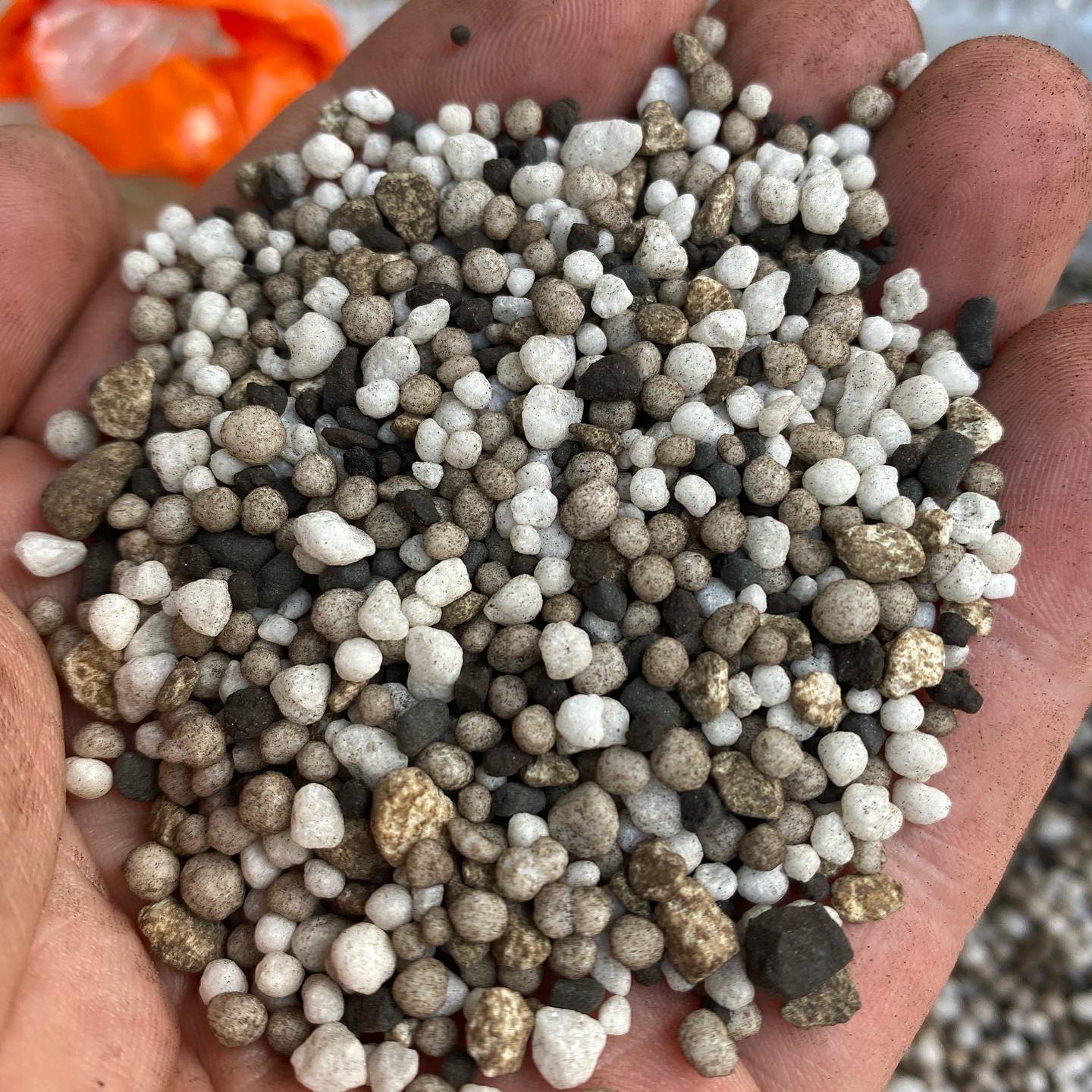
Granular fertilizers need moisture to dissolve and release nutrients into the soil. A light rain is ideal for watering it in, but heavy rain can cause runoff and uneven distribution.
Liquid Fertilizers
Liquid fertilizers are absorbed quickly through the leaves and roots. These are better applied during dry weather or shortly after rain when leaves are dry.
Organic Fertilizers
Organic fertilizers break down more slowly, making them less prone to runoff. However, they still require moisture for microbial activity and nutrient release.
Practical Tips for Fertilizing Around Rain
- Check the Forecast: Avoid fertilizing before heavy rain to prevent runoff. Aim for light rain or plan irrigation.
- Water After Application: If no rain is expected, water the lawn lightly to activate the fertilizer.
- Avoid Wet Grass: Apply fertilizer to dry grass to ensure even application and prevent clumping.
- Aerate the Lawn: Aerating before fertilizing improves absorption and reduces runoff risk.
FAQs About Fertilizing Before or After Rain
Is It Better to Fertilize Before or After Rain?
It depends on rainfall intensity. Light rain is great for fertilizing before application, but heavy rain may cause runoff, making it better to fertilize afterward.
What Happens if Fertilizer Is Washed Away?
Runoff can harm nearby water sources and waste fertilizer. To avoid this, time applications carefully and monitor rainfall predictions.
Can I Fertilize Wet Grass?
Avoid fertilizing wet grass to prevent clumping and uneven distribution. Wait until the lawn dries or after light rain.
How Soon After Rain Can I Fertilize?
You can fertilize as soon as the lawn is no longer saturated. Lightly moist soil is ideal for nutrient absorption.
Final Thoughts
Timing fertilizer applications around rainfall is a simple yet powerful way to improve lawn health. For my Lawn Phix customers, I always advise watching weather patterns, selecting the right fertilizer type, and properly preparing the lawn. Whether you fertilize before or after rain, proper planning ensures the best results without wasting time or product.