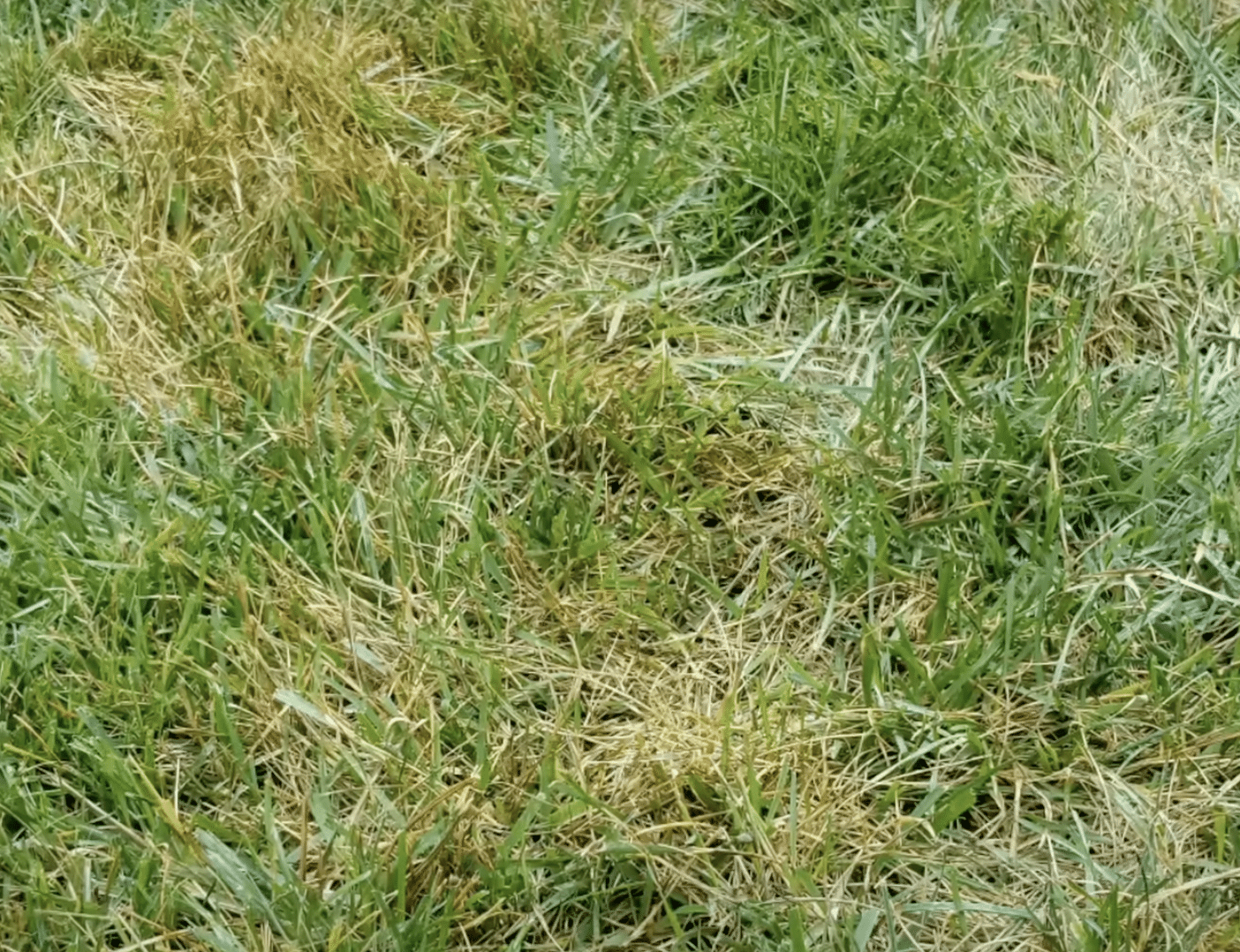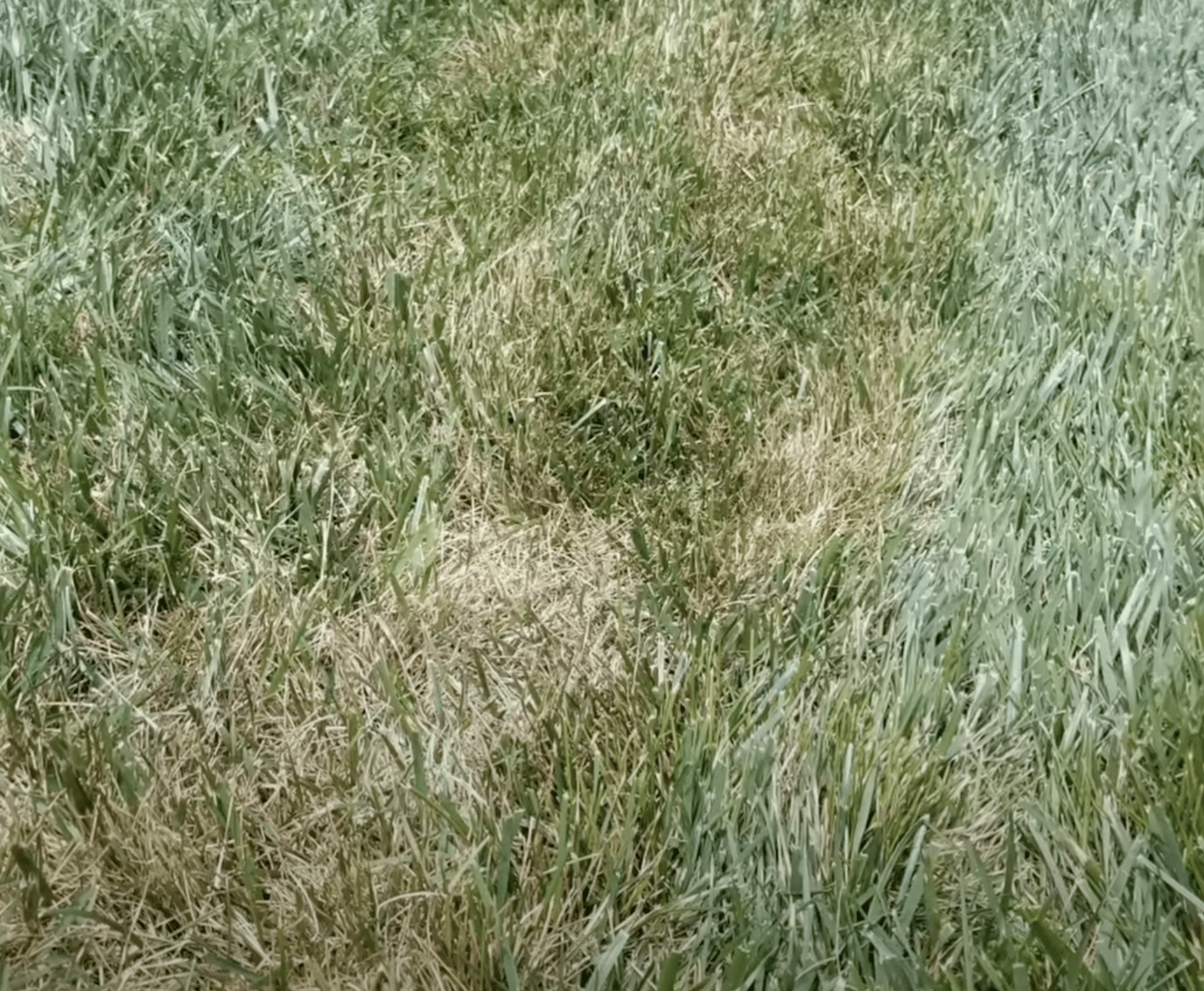
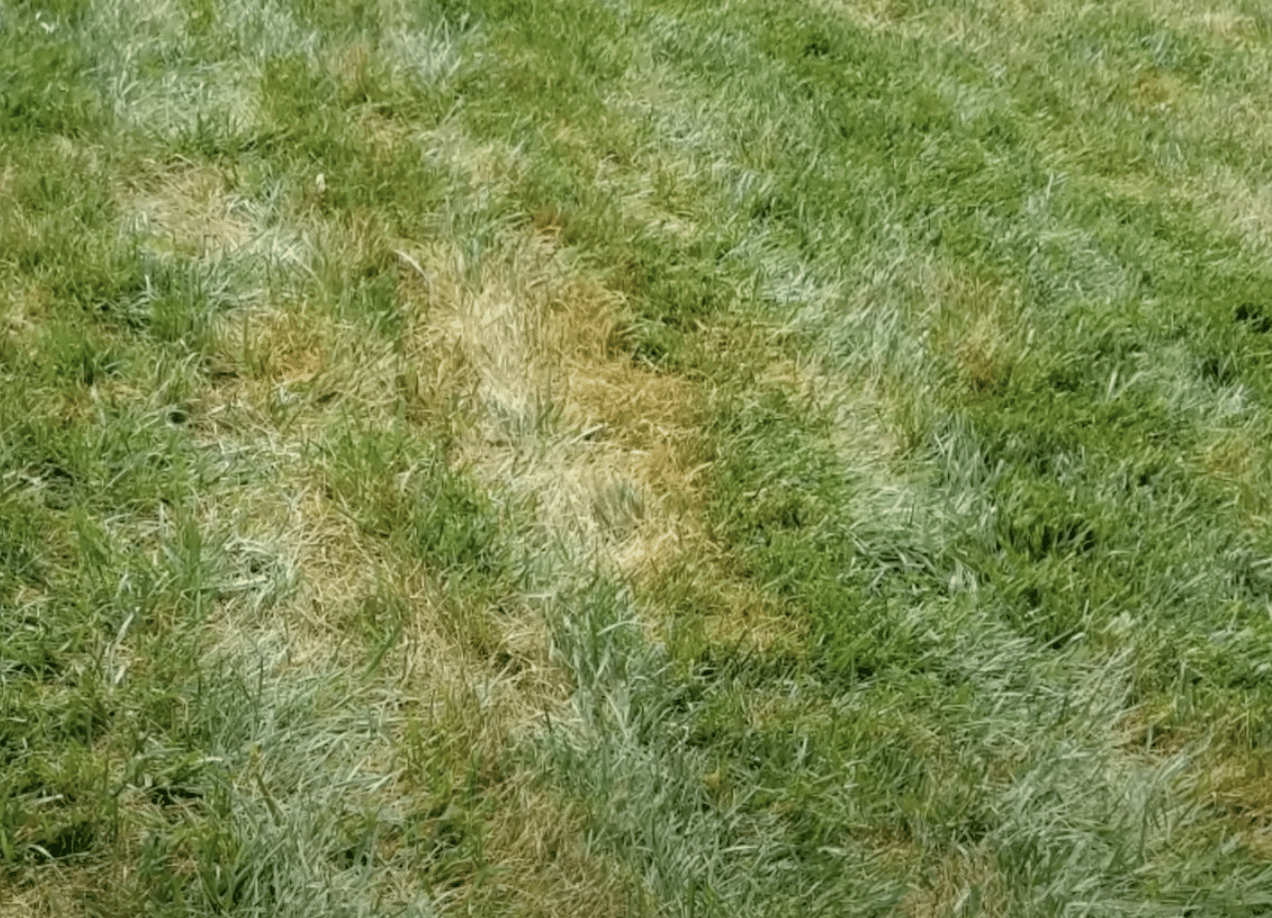
pythium blight lawn

How to Treat Pythium Blight (Oomycete Disease Control)

Photo of author

Written By: Mark Marino

a Massachusetts Core Applicator License holder and owner/operator of Lawn Phix,

Updated on

No comments

No AI pledge. Authored and reviewed by Mark, not robots. Learn more.

If you purchase through one of the links on our site, we may receive a small commission at no extra cost. I've personally used these products and provided an honest opinion. Your support helps maintain our free content, including lawn care guides and calendars. Learn more.

Sometimes referred to as cottony blight, Pythium root rot, or grease spot, Pythium blight is a turfgrass disease caused by oomycetes , a group of water molds that are no longer classified as fungi. Although the disease behaves similarly to fungal lawn diseases, there is an important distinction between the two. Pythium blight affects various types of turfgrass across the country, particularly warm-season grasses in the southern U.S. Wet, humid weather creates the perfect environment for Pythium outbreaks. Affected grass blades will appear wet or oily, and as the disease progresses, cottony white tufts may develop.

If you’re concerned about Pythium blight, use the following information to help identify and control outbreaks.

What Is Pythium Blight?

Pythium blight, or cottony blight, thrives in hot, humid conditions. It primarily affects poorly drained areas of golf greens, athletic fields, and residential lawns. Once Pythium blight appears, it can spread quickly, especially during consecutive days of high humidity. Prolonged leaf wetness and excessive soil moisture promote disease development. Unlike true fungi, oomycetes require standing water or saturated conditions to infect turf. Pythium blight is particularly aggressive in perennial ryegrass and bentgrass.

What Causes Pythium Blight in Lawns?

Several factors contribute to Pythium blight outbreaks. First, the Pythium species must be present in the turfgrass root zone or thatch layer. The most common species associated with disease development is Pythium aphanidermatum, though other species can cause similar symptoms.

Pythium blight thrives when:

  • Turfgrass remains wet for more than 12 hours
  • Daytime temperatures exceed 82°F, and nighttime temperatures stay above 68°F
  • High humidity persists for several days
  • Soils contain excessive nitrogen

Because Pythium blight spreads rapidly in wet conditions, it is often found on highly maintained turf, such as putting greens, golf courses, and home lawns. It frequently follows water tracks and can be easily spread through mechanical equipment, lawnmowers, and even footwear.

Pythium Blight Prevention

To prevent Pythium blight, reduce the conditions that favor disease outbreaks:

  • Improve drainage – Remove excess thatch and aerate soil to enhance air circulation.
  • Monitor nitrogen levels – Avoid over-fertilization, especially during the hot summer months.
  • Adjust watering practices – Water deeply but infrequently, always in the early morning, to allow the turf to dry before nightfall.
  • Increase air movement – Mow regularly and trim surrounding vegetation to reduce humidity at the turf level.

Since Pythium blight is caused by oomycetes rather than fungi, standard fungicides may not always be effective. Proper cultural practices are essential to preventing outbreaks.


Pythium Blight Control and Treatment

If you suspect Pythium blight, take immediate action. The sooner you identify and treat the disease, the better your chances of saving affected grass from root rot. Because Pythium blight spreads rapidly, it can devastate large areas of turf in just a few days.

Treatment Steps:

  1. Identify early symptoms – Treat at the greasy or grease-spot stage before the grass turns brown.
  2. Apply an appropriate fungicide – Use a product containing mefenoxam (e.g., Subdue Maxx) to help control Pythium blight. Generic alternatives are also available.
  3. Minimize traffic on infected areas – Avoid walking or mowing over affected grass to prevent spreading the disease.
  4. Disinfect equipment – Clean lawnmower blades and garden tools after working in infected areas.
  5. Improve drainage and reduce moisture – Address standing water and adjust watering schedules.

For severe cases, repeated fungicide applications and improved lawn management strategies may be necessary.

Pythium Blight FAQs

How do you treat pythium blight?

The best way to treat Pythium blight is with a fungicide formulated for oomycete diseases, such as those containing mefenoxam.

How do you identify pythium blight?

Pythium blight appears as greasy, water-soaked spots on turf. Cottony mycelium may develop in humid conditions, and infected grass often turns brown and dies.

Is pythium a fungus?

No, Pythium blight is caused by oomycetes (water molds), which were once classified as fungi but are now recognized as a distinct group of microorganisms. While Pythium diseases behave similarly to fungal infections, they require different treatments.

What type of disease is pythium?

Pythium blight is a destructive turfgrass disease caused by oomycetes. It primarily affects warm, wet environments and spreads rapidly in humid conditions.

Was the information on this page helpful?

Thanks for your feedback!
Author's Note: this piece has been updated for accuracy since its first publication on
Photo of author
Author: Mark Marino
My name is Mark Marino, and I am the founder, owner, and operator of Lawn Phix. With a passion for lawn care and turf nutrition for over a decade, I've dedicated countless hours to correcting soil and perfecting lawns. Today, my expertise, backed by formal courses at UMass Extension Pesticide Education, allows me to offer top-tier lawn care services and advice. I am a fully licensed and insured lawn care applicator in Massachusetts, specializing in comprehensive turf nutrition, weed control, and lawn pest control. My license number is AL-0053865. Contact me at mark@lawnphix.com or +1 (508) 500-8402.

Leave a Comment