
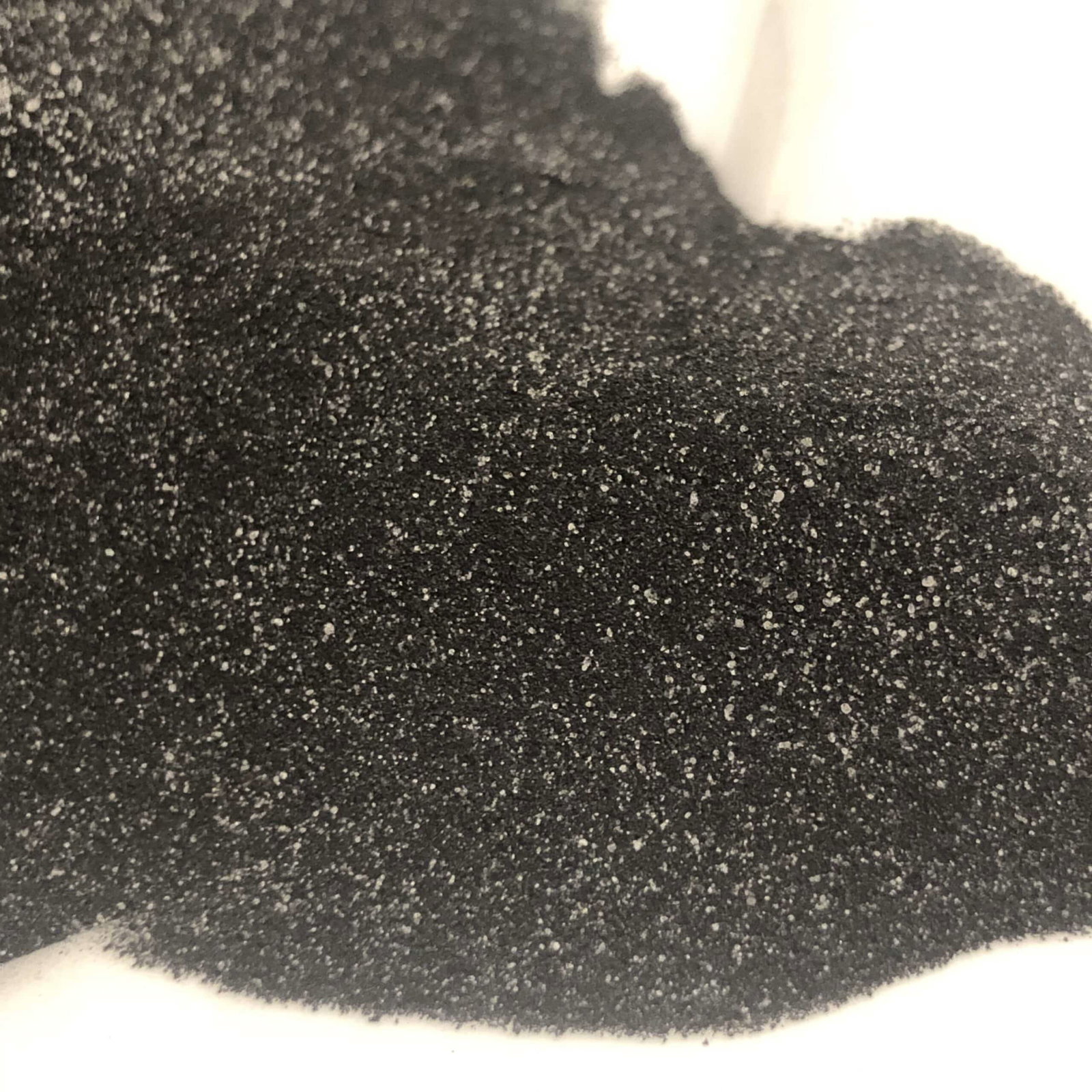

Let’s be honest: lawn care can be a bit of a mystery sometimes. You put in the work, but the results don’t always match the effort. If you’ve ever wondered how to make your lawn healthier from the soil up, humic acid might just be the game-changer you’ve been looking for.
At Lawn Phix, we’ve seen first-hand how humic acid helps lawns thrive. It’s not a magic potion, but it gets pretty close. When used correctly, it can improve your soil structure, supercharge nutrient uptake, and promote deep, resilient root growth. Whether you’re dealing with heavy clay, fast-draining sandy soil, or tired, compacted turf, humic acid brings life back into your lawn.
In this guide, I’ll break down what humic acid is, how it works, and how to use it effectively — without all the fluff.
What Is Humic Acid?
Humic acid is a naturally occurring compound formed from the decomposition of organic matter. It’s found in humus — the rich, dark material in soil created by microbial breakdown of plant and animal material over thousands of years.
Chemically speaking, humic acid is a complex mixture of carbon-rich molecules that work like a bridge between soil and plant roots. It chelates (binds) essential nutrients, making them more available for plant uptake. This improves nutrient exchange, soil structure, and root development — especially in poor soils.
It’s not a fertilizer itself, but it’s an incredible complement to your fertilizer program. Think of humic acid as a turbocharger for your soil.
Humic Acid vs. Fulvic Acid
While humic and fulvic acid are both humic substances, there are key differences:
- Humic acid: Larger molecules, ideal for improving soil structure and increasing soil’s water-holding capacity.
- Fulvic acid: Smaller molecules that easily penetrate plant cells and enhance nutrient absorption.
I like to combine both when possible. Fulvic acid supercharges nutrient uptake at the root level, while humic acid improves the soil environment as a whole. Many high-quality products include both.
Benefits of Humic Acid for Lawns
Adding humic acid offers numerous benefits that make it a staple in my lawn care routine:
1. Improves Soil Structure
Humic acid helps bind soil particles into aggregates, improving air circulation, water retention, and root penetration. This is especially valuable for unimproved clay soils, sandy soils, or lawns suffering from soil erosion.
2. Boosts Nutrient Uptake & Holding Capacity
By chelating essential nutrients such as nitrogen, phosphorus, and potassium, humic acid unlocks these nutrients that would otherwise be unavailable. It also prevents leaching, increasing your soil’s nutrient-holding capacity.
3. Supports Root Development
Deeper, stronger roots make for healthier grass. Humic substances enhance root growth by delivering naturally existing nutrients and trace elements directly to the turf roots.
4. Increases Water Retention
Humic acid improves the soil’s ability to retain moisture. That means less irrigation, better drought tolerance, and greener grass even in hot, dry weather.
5. Feeds Beneficial Soil Microbes
Healthy soil is alive. Humic acid promotes soil microbes that break down organic matter and convert it into plant-available nutrients — what I like to call “microbe poop.”
6. Improves Alkaline and Acidic Soils
Humic acid helps buffer alkaline soils and can enhance performance in acidic soils by balancing pH and improving nutrient availability.
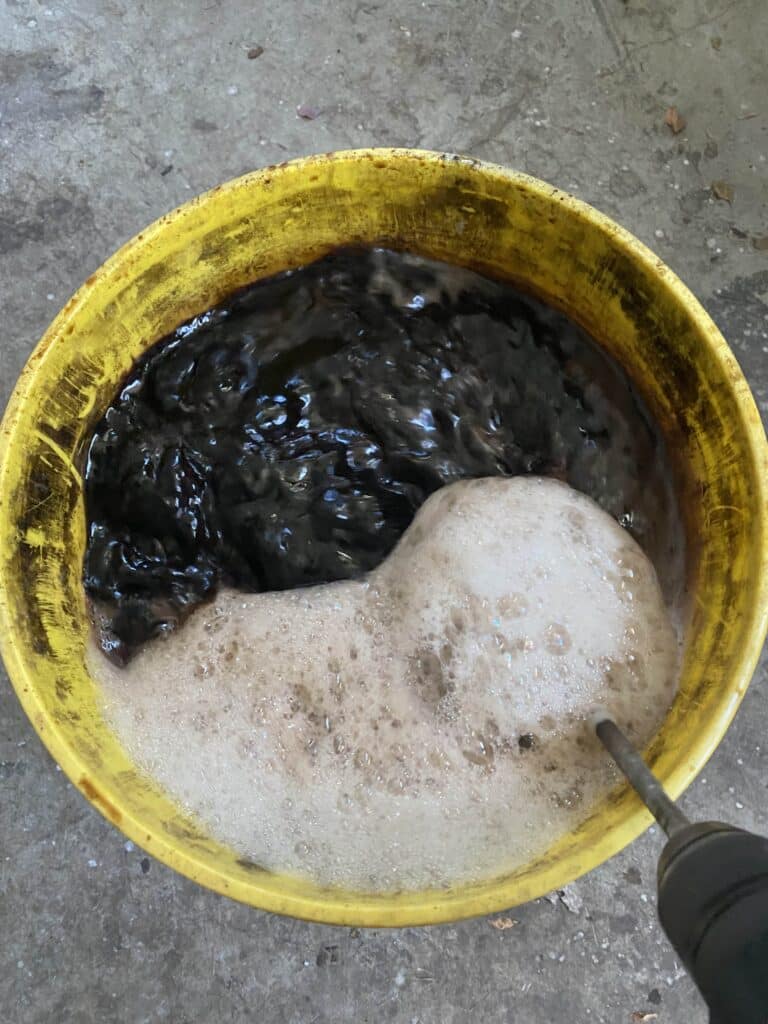
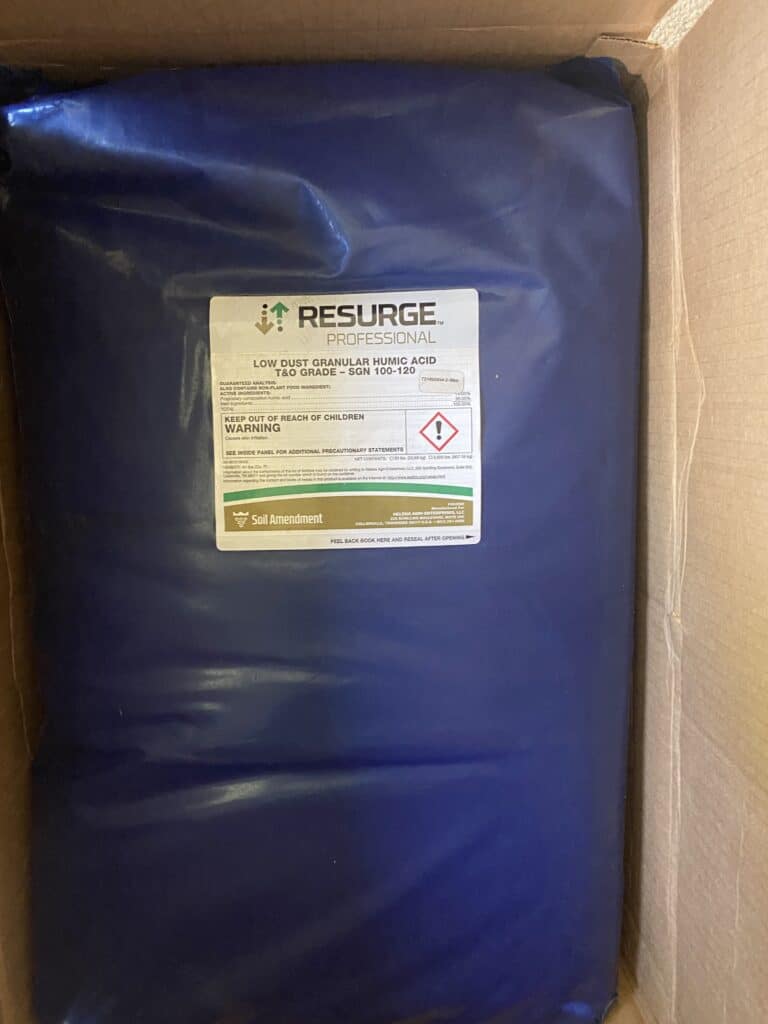
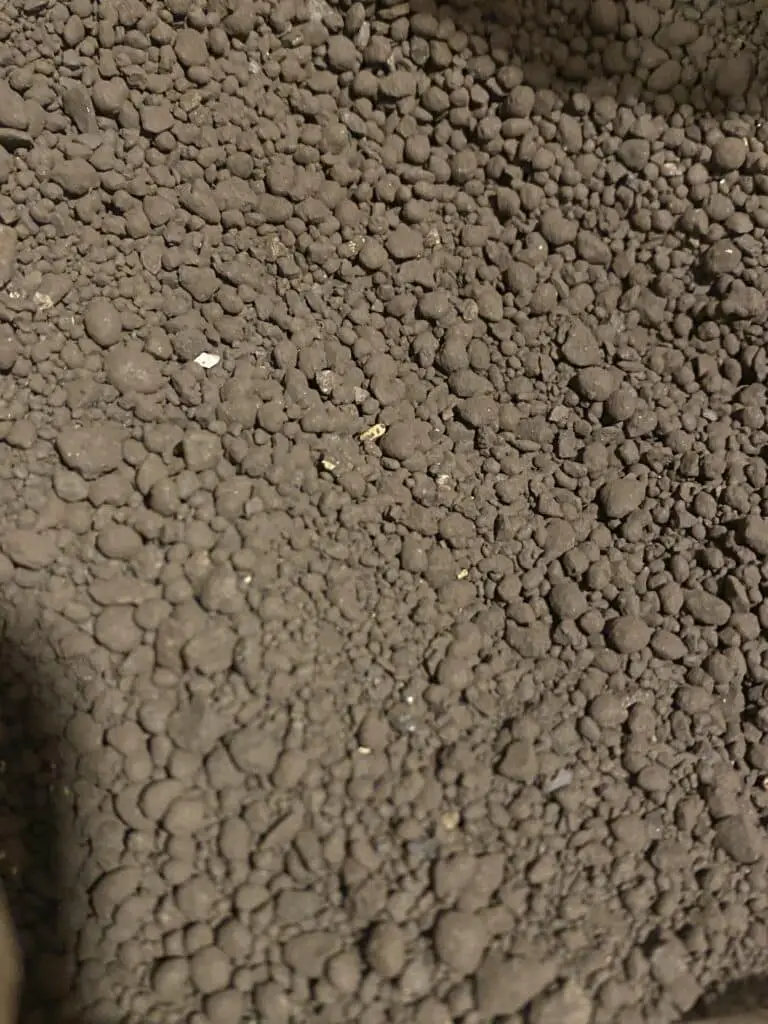
How to Use Humic Acid on Your Lawn
When applying humic acid, you have a few options:
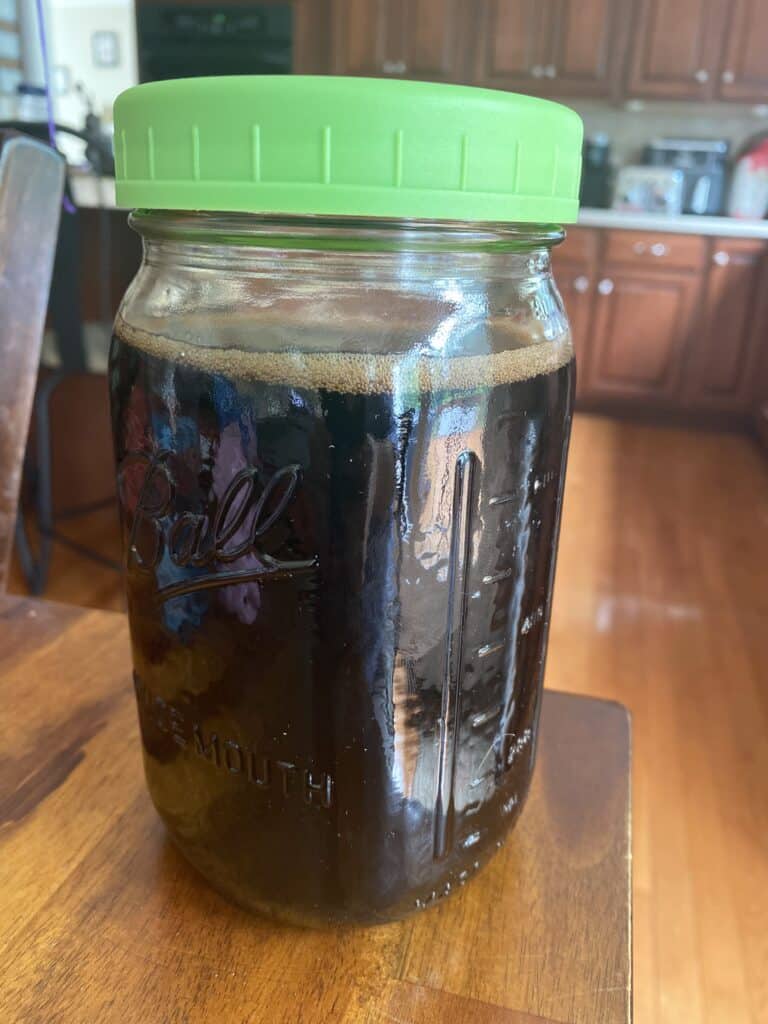
1. Liquid Humic Acid
- Fast-acting and easy to mix with your existing fertilizer or biostimulants.
- Great for foliar applications or hose-end sprayers.
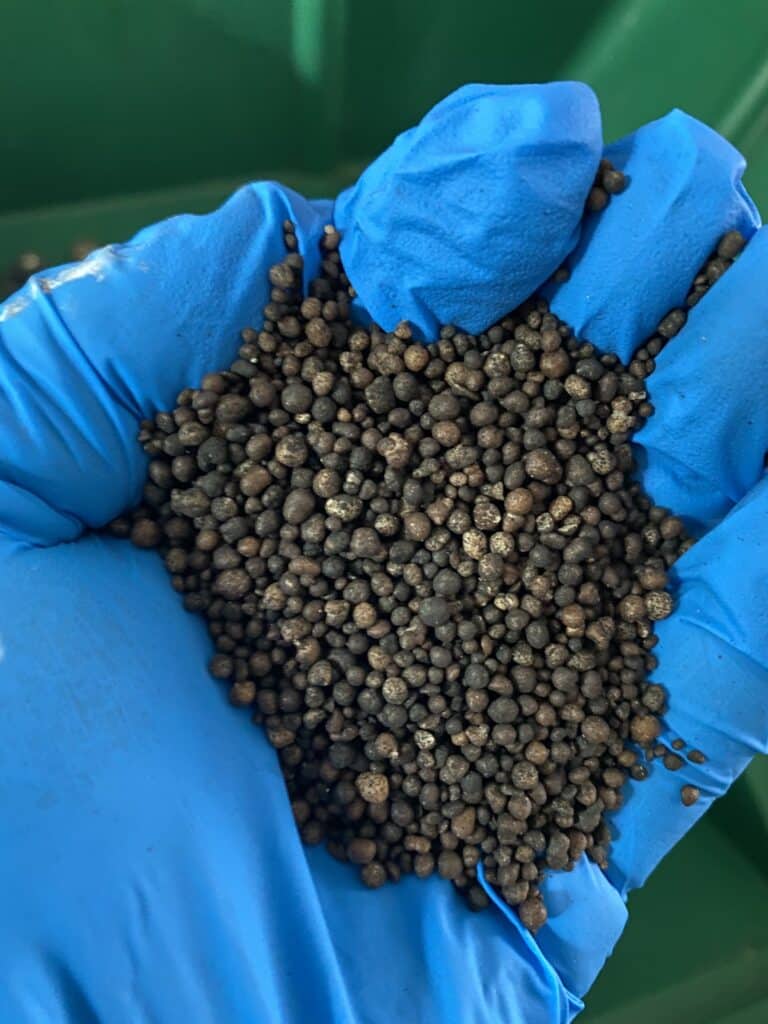
2. Granular Humic Acid
- Slower-release and often more affordable.
- Best applied with a broadcast spreader and watered in.
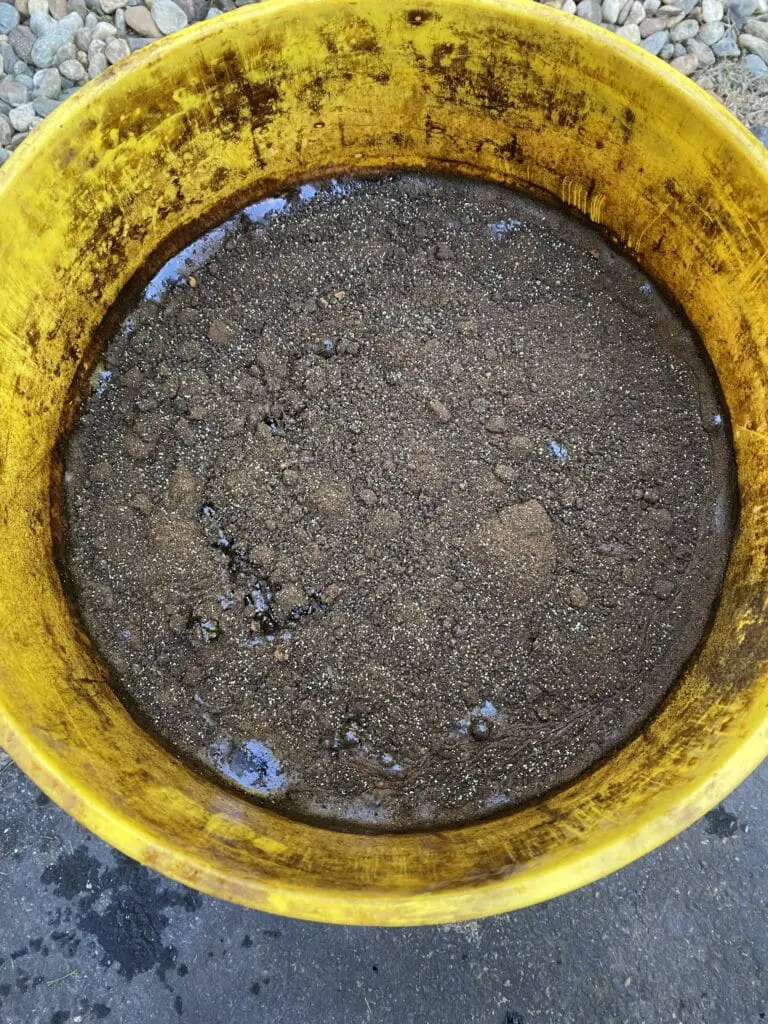
3. Soluble Powder Humic Acid
- Most cost-effective per application.
- Requires dissolving in water before spraying.
You can apply humic acid every 6–8 weeks during the growing season. It won’t burn your lawn, and overuse typically doesn’t cause harm (but it might be a waste of product).
Lawn Phix Product Recommendations
Here are some humic acid products I recommend:
- Liquid: N-Ext Humic 12 — high concentration and mixes well with other lawn treatments.
- Granular: Kelp4Less Humic Acid — 80% humic content, great value.
- Best Overall: Kelp4Less Humic Acid — pure, water-soluble, and a fantastic alternative to Humic12.
Frequently Asked Questions
What does humic acid do for a lawn?
It enhances soil health, improves nutrient uptake, boosts root growth, and promotes plant health by conditioning the soil and improving its biological activity.
How often should I apply humic acid?
Apply every 6 to 8 weeks during the growing season. Spring and fall are ideal.
Can I apply too much humic acid?
Not really. There are no toxicity concerns, but using more than needed won’t deliver extra benefits.
Is humic acid better than compost?
Compost is great, but humic acid is more concentrated. Compost contains small amounts of humic and fulvic acids — using both is ideal.
What are the disadvantages?
It’s not a complete fertilizer and needs to be paired with a balanced program. Soluble products may stain surfaces if not applied carefully.
Final Thoughts
If you want a vibrant lawn with stronger roots, better drought resistance, and improved soil science, adding humic acid is a no-brainer. It works with virtually any soil types and supports healthy growth from the ground up.
Whether you’re new to lawn care or a seasoned DIYer, incorporating humic acid into your lawn care routine is one of the smartest investments you can make.
Lawn Phix Recommendations
You’ll find different humic products in the marketplace today, so we thought we’d mention our preferred options. Our favorite granular humic acids are:
Be sure to use at least 1-2 pounds per 1,000 square feet.
Our favorite liquid humic acid for lawns:
Best Overall and Best Value Humic Acid
We prefer Kelp4Less Humic Acid. It’s water soluble, 80% pure, and a great Humic12 alternative.
Humic Acid FAQs
Is Humic Acid Better Than Compost?
Humic acid is part of compost. Compost includes decaying organic matter. Humic acid constitutes material in its last stages of decay. Compost also contains fulvic acids. With its beneficial soil microbes, compost and humic and fulvic acid can be added. Also, compost contains more nutrients, so it can be used as a fertilizer. It tends only to have about 5% of humic and fulvic acids, so ideally, you should use both. The problem with compost is that it can be bulky and more difficult to apply to grass types and other areas of your landscape.
What does humic acid do for your lawn?
Humic acid offers many benefits for your lawn. These include improving soil chemistry and soil health, improving soil structure, increasing soil’s water holding capacity, and improving nutrient absorption. It can also stimulate root growth and release beneficial microbes. Both humic and fulvic acid treatments improve nutrient holding capacity.
When should I put humic acid on my lawn?
The best time for humic acid applications is in spring when preparing for the planting and growing season. However, it can also be beneficial to apply organic matter like humic and fulvic acid molecules in the fall.
Can you have too much humic acid in your lawn?
Gardening experts say that you cannot have ‘too much’ granular and liquid forms of humic acid in your soil. Incorporating humic acid applications into your lawn care routine too often, however, will simply waste the humic acid as your lawn only needs so much.
How fast can I see results with humic acid?
Generally, don’t expect to notice results in your lawn for a few weeks. Some people might not see improvements for a couple months. Your soil structure and conditions will impact these results.
How long does humic acid last?
During the growing season, you can apply humic acid every six to eight weeks–less often if your lawn is lush and healthy.