

LAWN PHIX PRO TIPS
After treating hundreds of residential and commercial properties, I can confidently say that these purple-flowered broadleaf weeds are the No. 1 nemesis. They’re a battle, but follow these tips to keep these weeds at bay in your lawn.
- For best results, spray these weeds in the early spring, two weeks apart, and again in the fall.
- Choose products with the active ingredient Triclopyr.
- Mix Triclopyr with other two-way herbicides containing 2,4-D acid, Dicamba, and a non-ionic surfactant.
- If possible, spray these weeds before they flower, as they tend to form a waxy coating, making them more challenging to eradicate.
- To limit the effect on pollinators, mow and bag the flowers 1-2 days before spraying.
Weeds With Purple Flowers: Identification and Control
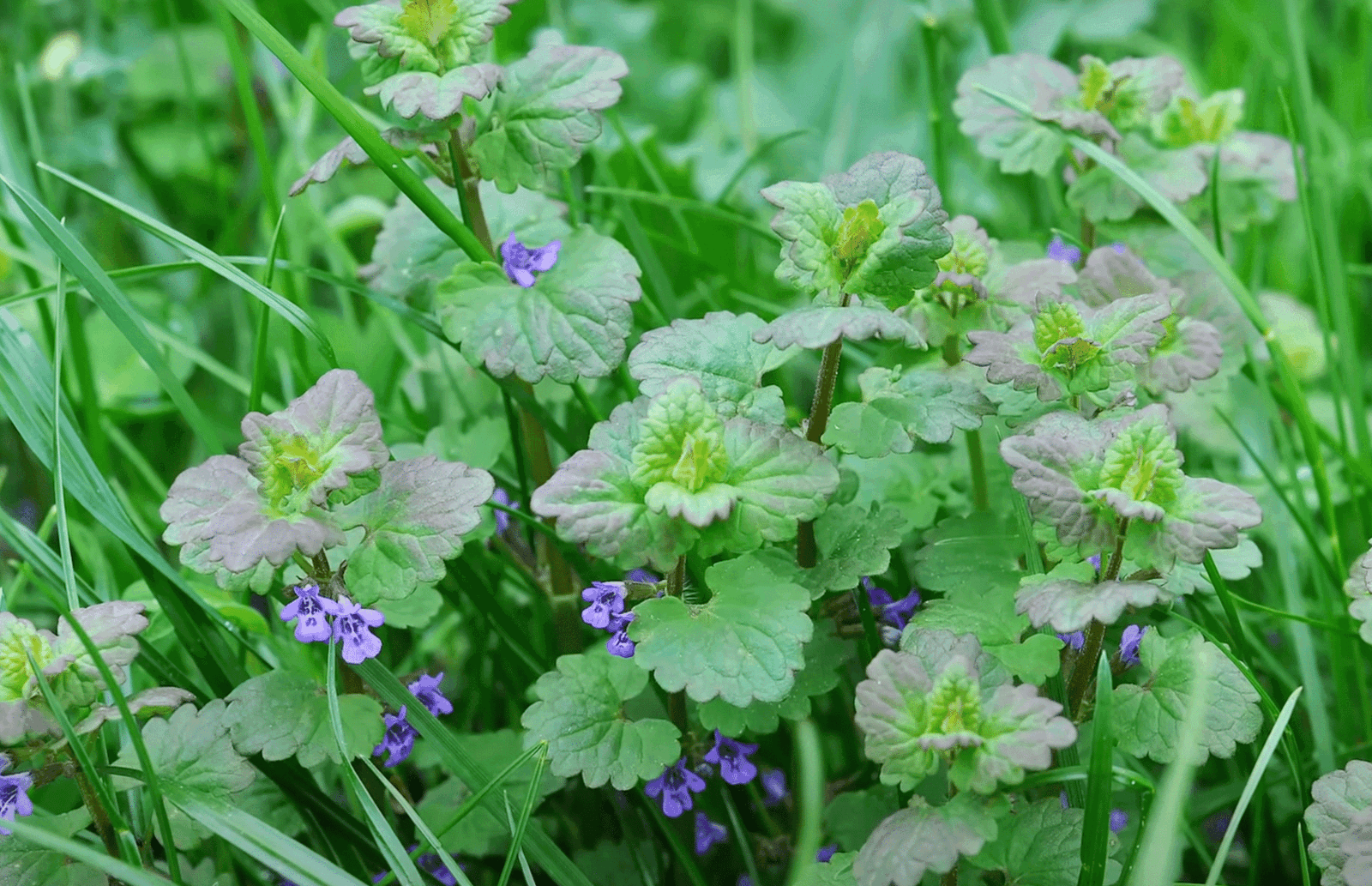
Purple-flowered weeds can add a surprising splash of color to your lawn but often come at the cost of healthier, desirable turf. As someone who’s treated countless properties, I can assure you that understanding these weeds is essential to maintaining a lush, green lawn. In this guide, I’ll walk you through identifying, managing, and preventing the most common purple-flowered weeds, including wild violets, creeping charlie, henbit, and purple deadnettle.
Why Control Purple-Flowered Weeds?
Purple-flowered weeds can be deceptively charming, but they’re a serious problem for lawn health. These weeds:
- Compete with Grass: Stealing nutrients, water, and sunlight from your turf.
- Spread Quickly: Many produce seeds or spread via underground rhizomes, making them hard to eliminate.
- Reduce Curb Appeal: Weeds disrupt the uniform appearance of a healthy lawn.
Early intervention is critical. Stopping these weeds before they flower and set seed saves you a lot of time and effort in the long run.
Identifying Common Purple-Flowered Weeds
Here are some of the most common purple-flowered weeds you’re likely to encounter:
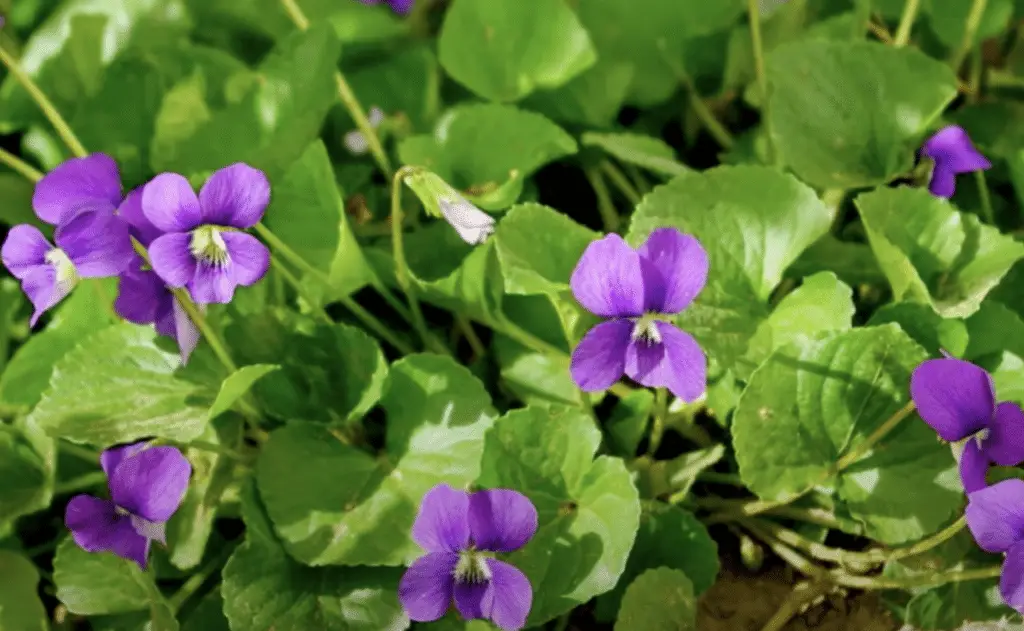
Wild Violet
- Appearance: Heart-shaped leaves with waxy surfaces. Small purple flowers bloom in spring.
- Growth Habit: Spreads through underground rhizomes and seeds.
- Challenges: Difficult to spot-treat due to its interconnected vine system. Best controlled in spring or fall with selective herbicides containing Triclopyr.
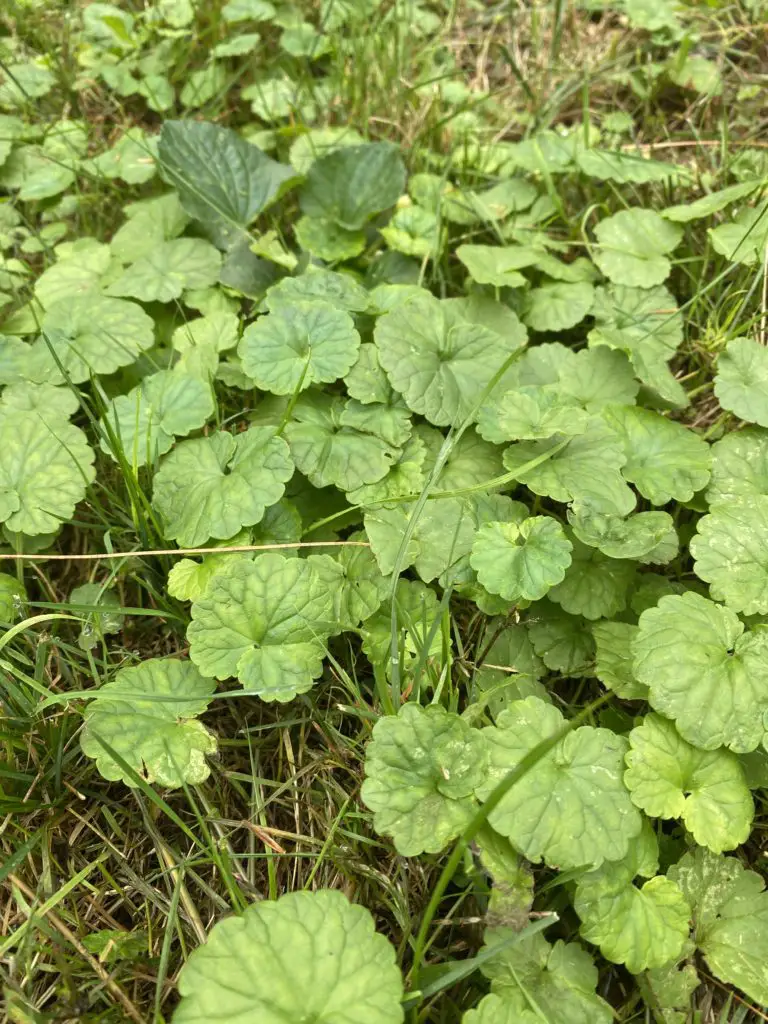
Creeping Charlie (Ground Ivy)
- Appearance: Square stems, rounded scalloped leaves, and small purple flowers.
- Growth Habit: Spreads aggressively via stems, seeds, and rhizomes.
- Challenges: Often reappears due to its creeping nature and can invade from untreated neighboring yards. Blanket spraying is necessary for control.
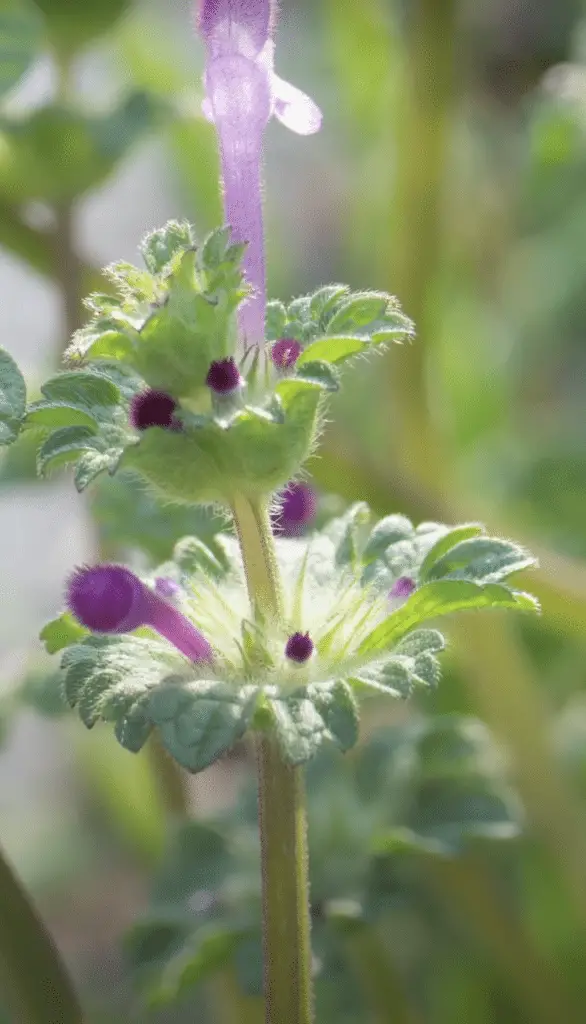
Henbit
- Appearance: Dark green, scalloped leaves on square, purplish-red stems. Pink-purple flowers bloom in early spring.
- Growth Habit: Winter annual, germinating in fall and flowering in spring.
- Challenges: Thrives in thin, damp areas of your lawn. Easily controlled with early spring or fall herbicide applications.
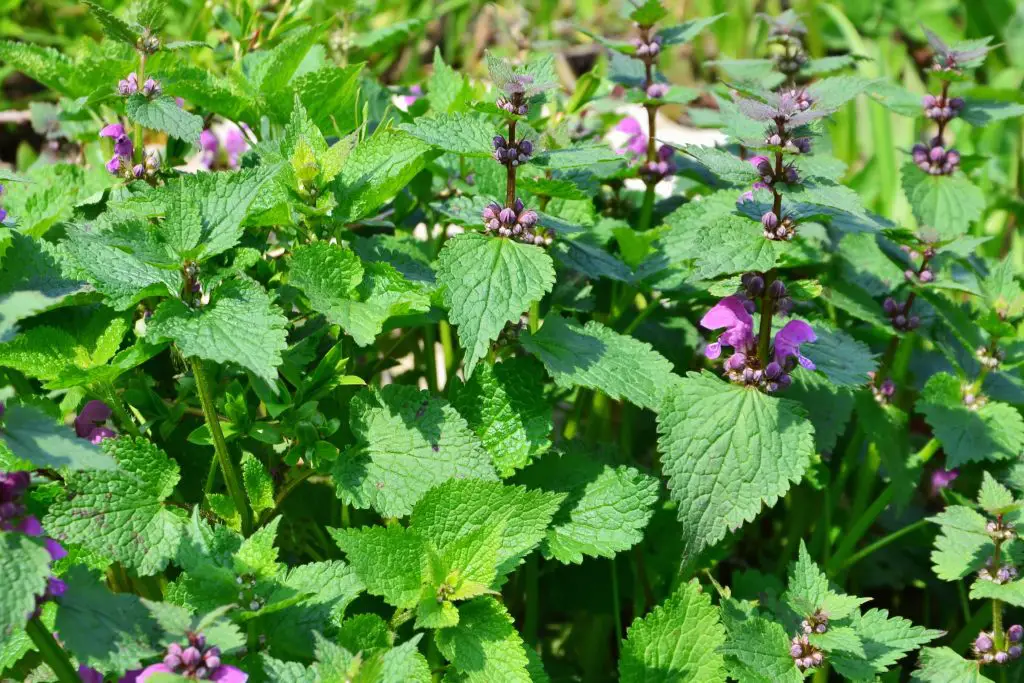
Purple Deadnettle
- Appearance: Dense, upright growth with triangular leaves. Purple-pink flowers appear at the top.
- Growth Habit: Winter annual, similar to henbit, but with a more sprawling growth pattern.
- Challenges: Grows rapidly and produces many seeds. Proper lawn maintenance can help reduce its spread.
How to Remove Purple-Flowered Weeds
Herbicide Options
Selective post-emergent herbicides are the most effective way to control purple-flowered weeds. Here’s what I recommend:
- Wild Violet: Products with Triclopyr, such as T-Zone or Trycera, applied in early spring and again two weeks later.
- Creeping Charlie: Herbicides containing Dicamba or Triclopyr work best. Apply in spring or fall for maximum effectiveness.
- Henbit and Purple Deadnettle: General broadleaf herbicides like 2,4-D or Dicamba will take care of these weeds quickly.
Pro Tips:
- Always blanket spray problem areas rather than spot-treating to ensure thorough coverage.
- For best absorption, avoid mowing the lawn 2-3 days before and after herbicide application.
Manual Removal
If herbicides aren’t an option, you can remove these weeds manually. Here’s how:
- Use a garden fork or weeding tool to loosen the soil around the roots.
- Pull the weed out completely, ensuring you remove all rhizomes to prevent regrowth.
- Bag and dispose of the weeds to avoid spreading seeds.
Manual removal suits small infestations or sensitive areas like flower beds.
Preventing Purple Weeds
The best way to control purple-flowered weeds is to prevent them from taking hold in the first place. Here’s how:
- Maintain Lawn Health: A thick, healthy lawn is the best defense. Overseed annually, aerate compacted soil, and fertilize appropriately.
- Mow Regularly: Keep your grass at the recommended height for its species to prevent weeds from gaining a foothold.
- Mulch Flower Beds: Use mulch to suppress weed growth and retain soil moisture.
- Apply Pre-Emergents: In fall, apply a pre-emergent herbicide to stop winter annuals like henbit and purple deadnettle from germinating.
FAQs
What are these weeds with purple flowers called?
Common examples include wild violets, creeping charlie, henbit, and purple deadnettle.
Are purple-flowered weeds harmful?
Yes, they compete with your turf for resources and can spread quickly, reducing the health and appearance of your lawn.
How do I get rid of Creeping Charlie effectively?
Use a selective herbicide with Triclopyr or Dicamba and blanket spray the affected area. Persistence is key.
When is the best time to treat wild violets?
Early spring or fall is ideal, as these are periods of active growth, and herbicides are more effective.
Can I prevent purple-flowered weeds entirely?
While complete prevention isn’t always possible, maintaining a dense, healthy lawn and applying pre-emergents can significantly reduce their occurrence.
By staying proactive and applying the right treatments, you can keep these weeds from overtaking your lawn and enjoy a vibrant, healthy yard year-round.
Video source: https://www.solutionsstores.com/lawn-care
Even though these plants are considered weeds, I really like their purple coloring.