
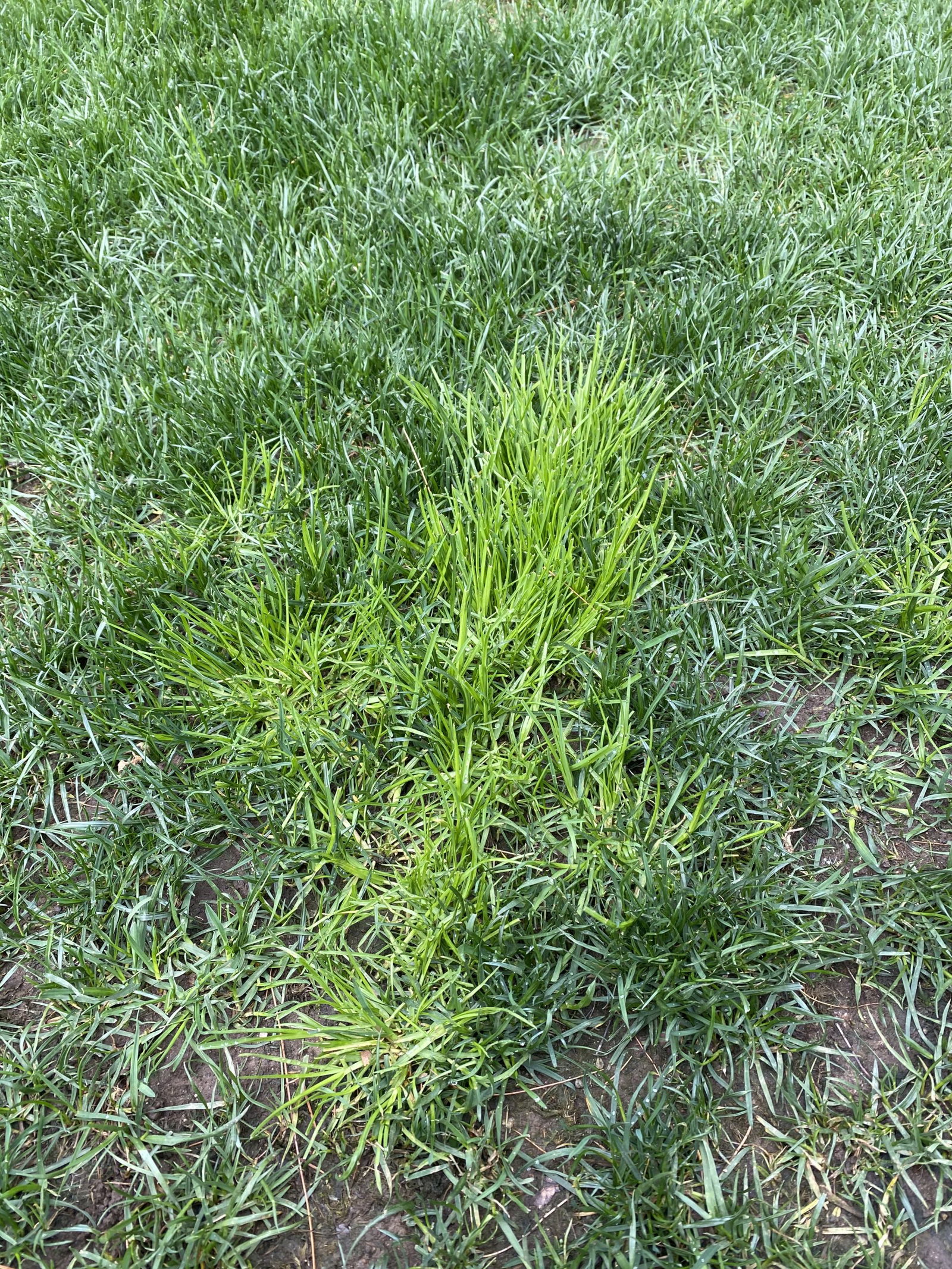

Poa trivialis, commonly known as rough bluegrass, is one of the most stubborn weeds I see in cool-season lawns like tall fescue, Kentucky bluegrass, and perennial ryegrass. It loves moist soils and thrives in moderate shade, making it a nightmare for homeowners trying to maintain a healthy lawn.
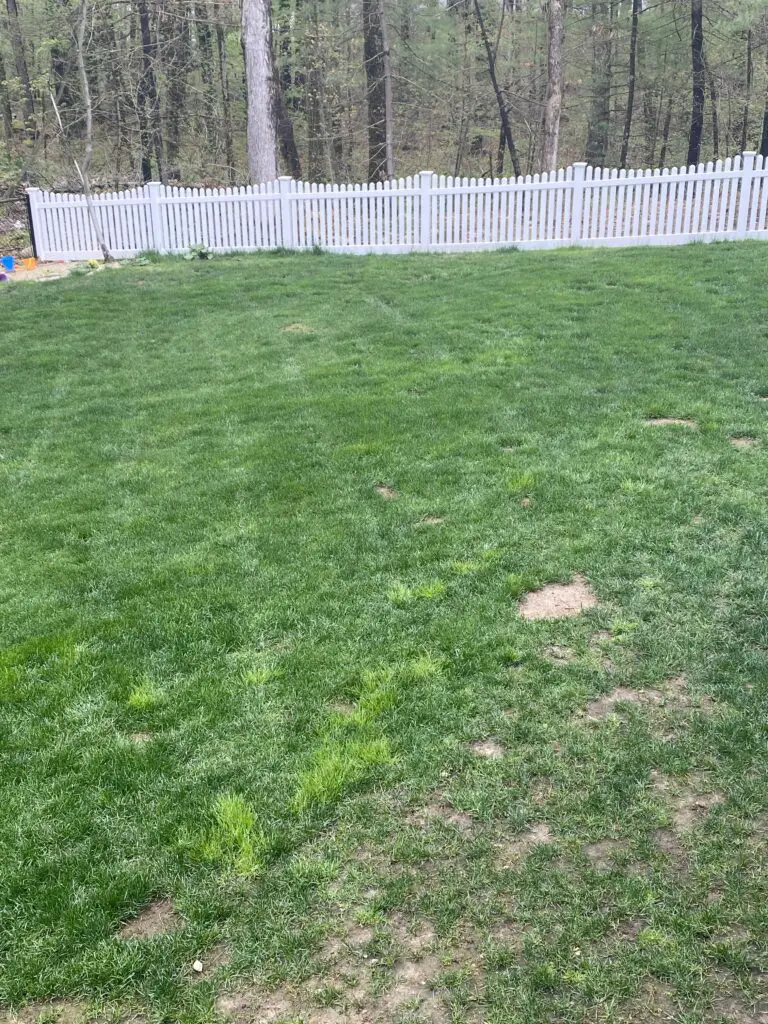
If left unchecked, Poa trivialis spreads aggressively and creates unsightly light green patches that turn dormant and brown in the heat of mid-summer. Here’s how I identify, treat, and eliminate Poa trivialis for my Lawn Phix customers.
What is Poa Trivialis?
Poa trivialis is a perennial grass that thrives in cool climates. Unlike desirable turfgrasses, it grows aggressively in shaded, wet conditions but becomes dormant in hot weather, leaving bare spots in your lawn.
While it’s occasionally used for golf courses and overseeding, Poa trivialis becomes a weed grass in residential lawns. It spreads through rhizomes and stolons, making it tough to control.
How to Identify Poa Trivialis
Identifying Poa trivialis is the first step to managing it. Here’s what to look for:
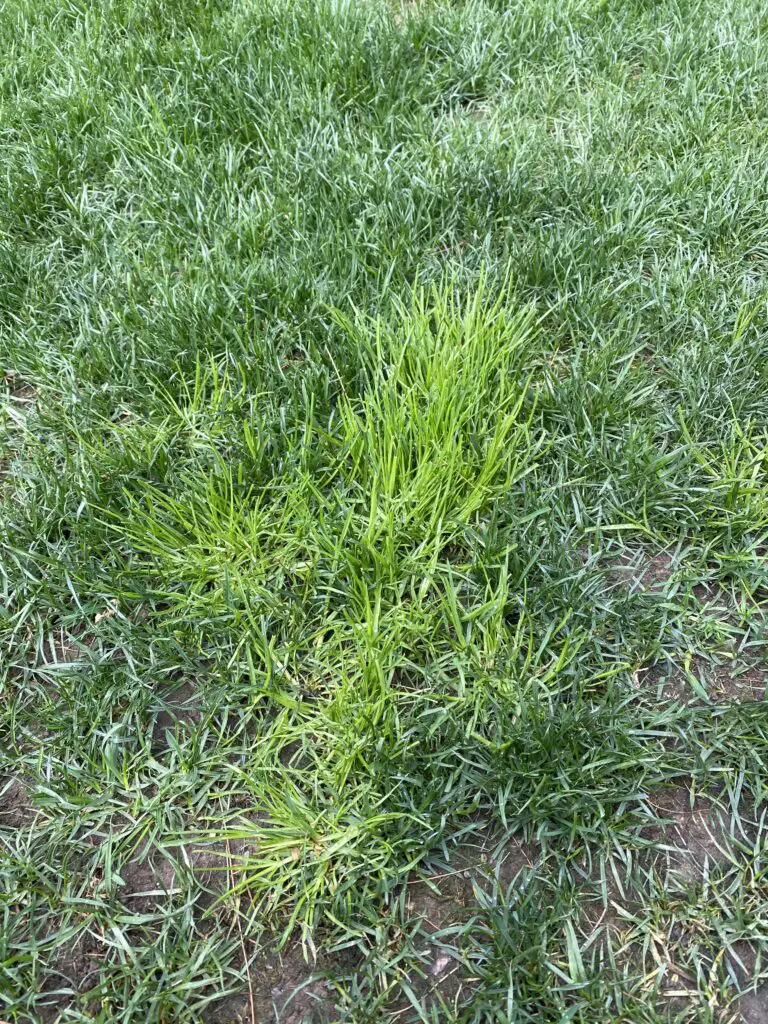
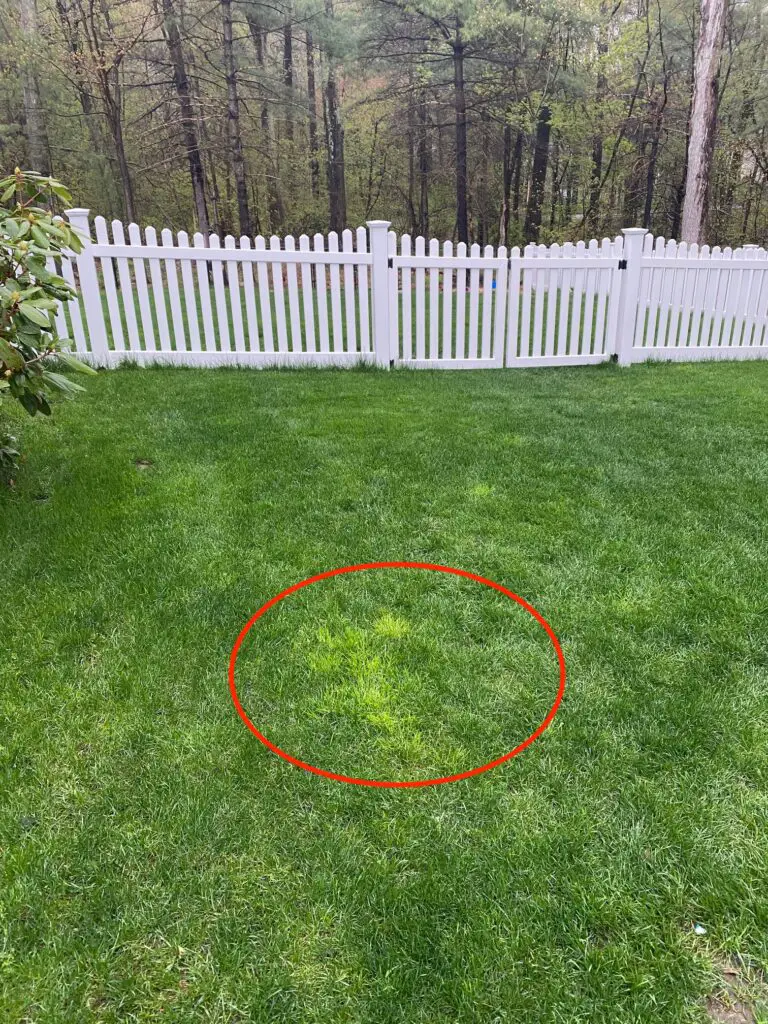
- Color: Poa trivialis is lighter green than most turfgrass, making patches stand out.
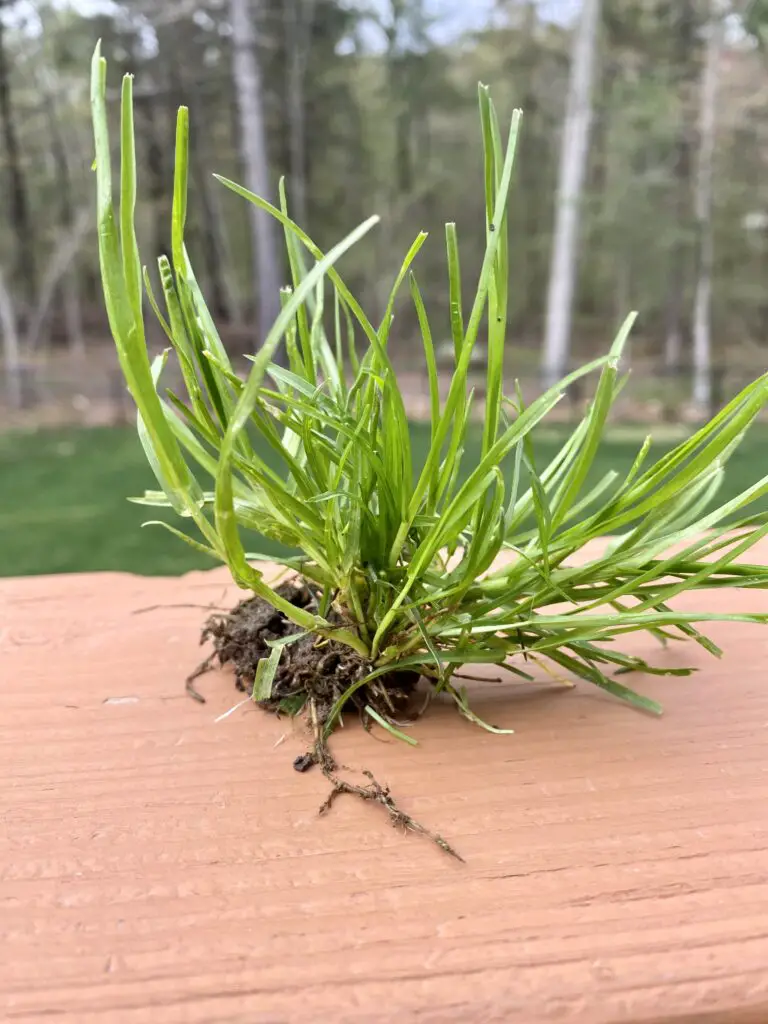
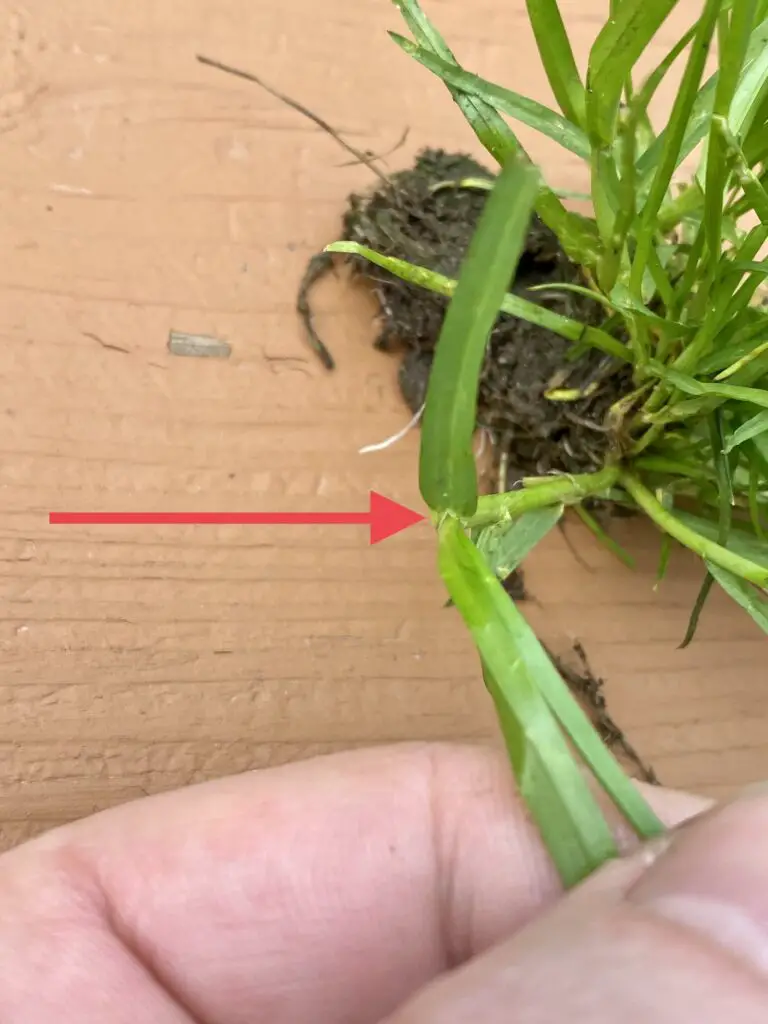
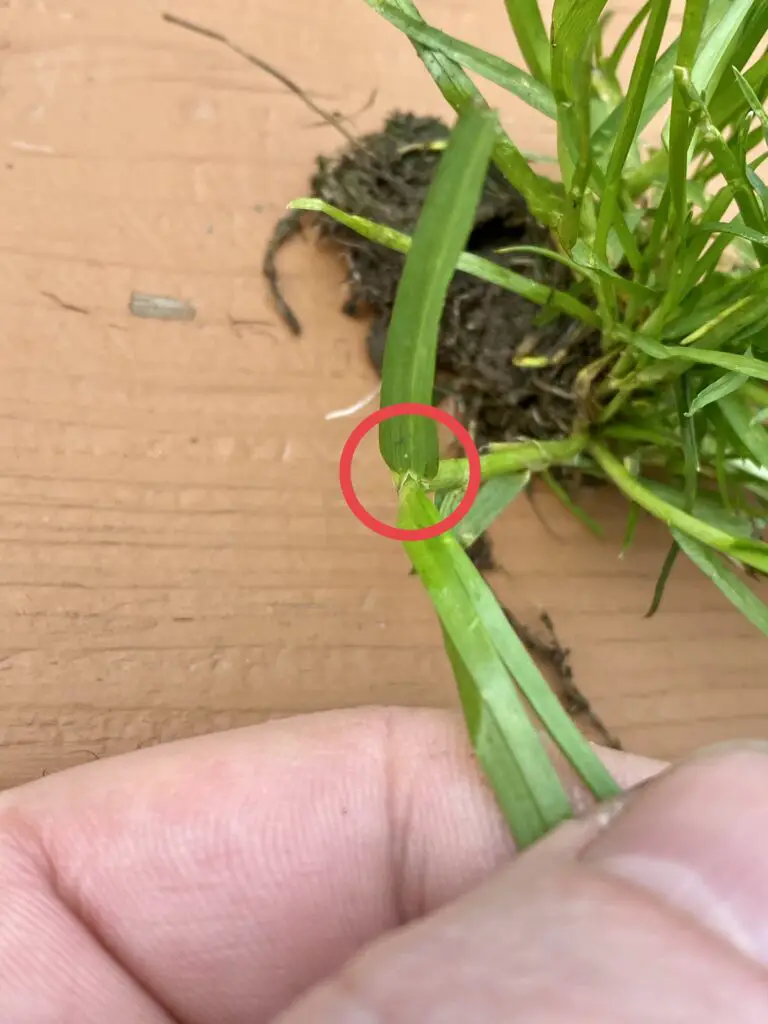
- Growth Habit: It grows low to the ground and spreads via stolons.
- Texture: The blades are fine-textured and soft.
- Dormancy: Poa trivialis turns brown and dormant in summer, creating visible bare spots.
- Similar Weeds: Don’t confuse it with Poa annua (annual bluegrass). While both have boat-shaped leaf tips, Poa trivialis has fewer visible seed heads and spreads through stolons.
Tip: If you notice thin, patchy areas of light green grass that look worse in the summer, it’s likely Poa trivialis.
How to Get Rid of Poa Trivialis
Eliminating Poa trivialis requires a multi-step approach. Unfortunately, no selective herbicides specifically target it without harming the surrounding turf. Here’s what I recommend:
1. Spot-Treat with Non-Selective Herbicides
The most reliable way to remove Poa trivialis is to spot-treat the patches with a non-selective herbicide like glyphosate (Roundup). Be careful—glyphosate will kill everything it touches, including desirable grass.
- Steps:
- Identify and isolate Poa trivialis patches.
- Apply glyphosate carefully using a sponge applicator or sprayer.
- Wait 7-14 days for the weed to die.
- Reseed or re-sod the treated areas with your desired turfgrass.
2. Weakening Poa Trivialis with Tenacity
While Tenacity (mesotrione) won’t eliminate Poa trivialis, it can weaken it significantly. I’ve used it successfully to slow down growth and limit spreading.
- Apply Tenacity in the spring when Poa trivialis is actively growing.
- Repeat treatments as needed to bleach out and stress the weed.
3. Mechanical Removal for Small Areas
Hand-pulling or digging out Poa trivialis can work for small areas, though it’s labor-intensive. Remove the entire plant, including stolons and roots, to prevent regrowth.
How to Prevent Poa Trivialis
Preventing Poa trivialis is easier than eliminating it. Here’s how I help customers keep it from invading their lawns:
- Mow High: Keep your grass at 3-4 inches to shade the soil and discourage Poa trivialis seeds from germinating. Taller grass creates a competitive advantage for healthy turf.
- Water Deeply but Infrequently: Avoid frequent, shallow watering, which encourages shallow-rooted weeds like Poa trivialis. Water your lawn deeply (1 inch per week) to promote healthy, deep roots.
- Overseed Annually: Overseed your lawn with bunch-type grasses like tall fescue or perennial ryegrass. Dense, healthy turf crowds out weeds and prevents Poa trivialis from spreading.
- Improve Drainage: Since Poa trivialis thrives in moist soils, aerate compacted areas and address poor drainage to keep water moving through the soil profile.
- Avoid Contaminated Seed: Use high-quality, certified seed blends to avoid introducing Poa trivialis seeds into your lawn.
- Spot-Treat Early: At the first sign of Poa trivialis, act quickly. Early treatment prevents it from taking over larger areas of your lawn.
FAQs About Poa Trivialis
What chemical kills Poa trivialis?
Glyphosate is the most effective chemical for killing Poa trivialis, but it will also kill surrounding grass. Spot-treat carefully and reseed afterward.
Does Tenacity herbicide kill Poa trivialis?
Tenacity won’t kill Poa trivialis completely, but it can weaken the weed and slow its spread when applied in spring.
How do you remove Poa trivialis without herbicides?
For small infestations, dig out the plant manually, ensuring you remove the entire root system. Overseed afterward to fill bare spots.
How does Poa trivialis spread?
Poa trivialis spreads through stolons, which are above-ground stems that allow the weed to creep across your lawn.
Will Poa trivialis die in summer?
Poa trivialis goes dormant in the summer heat, turning brown and creating bare spots, but it doesn’t die. It will re-emerge in cooler temperatures.
Conclusion
Poa trivialis, or rough bluegrass, is a tough weed to eliminate, but with persistence, you can reclaim your lawn. Spot-treat with glyphosate, overseed with high-quality grass seed, and maintain proper mowing and watering habits to prevent its return.
For customers at Lawn Phix, I’ve found that the key to Poa trivialis control is early identification, quick action, and a focus on healthy, dense turf. Don’t let this invasive grass ruin your lawn—take control today!
Thanks for this article. I, all of a sudden, have Poa Triv everywhere in my front lawn, where it is damp and shady. Big areas. Local extension suggested Xonerate, but it is huge expensive. Going for glyphosate and reseed. Hopefully there will be a less expensive Xonerate alternative soon. The Xonerate size would last me 20 years. lol