
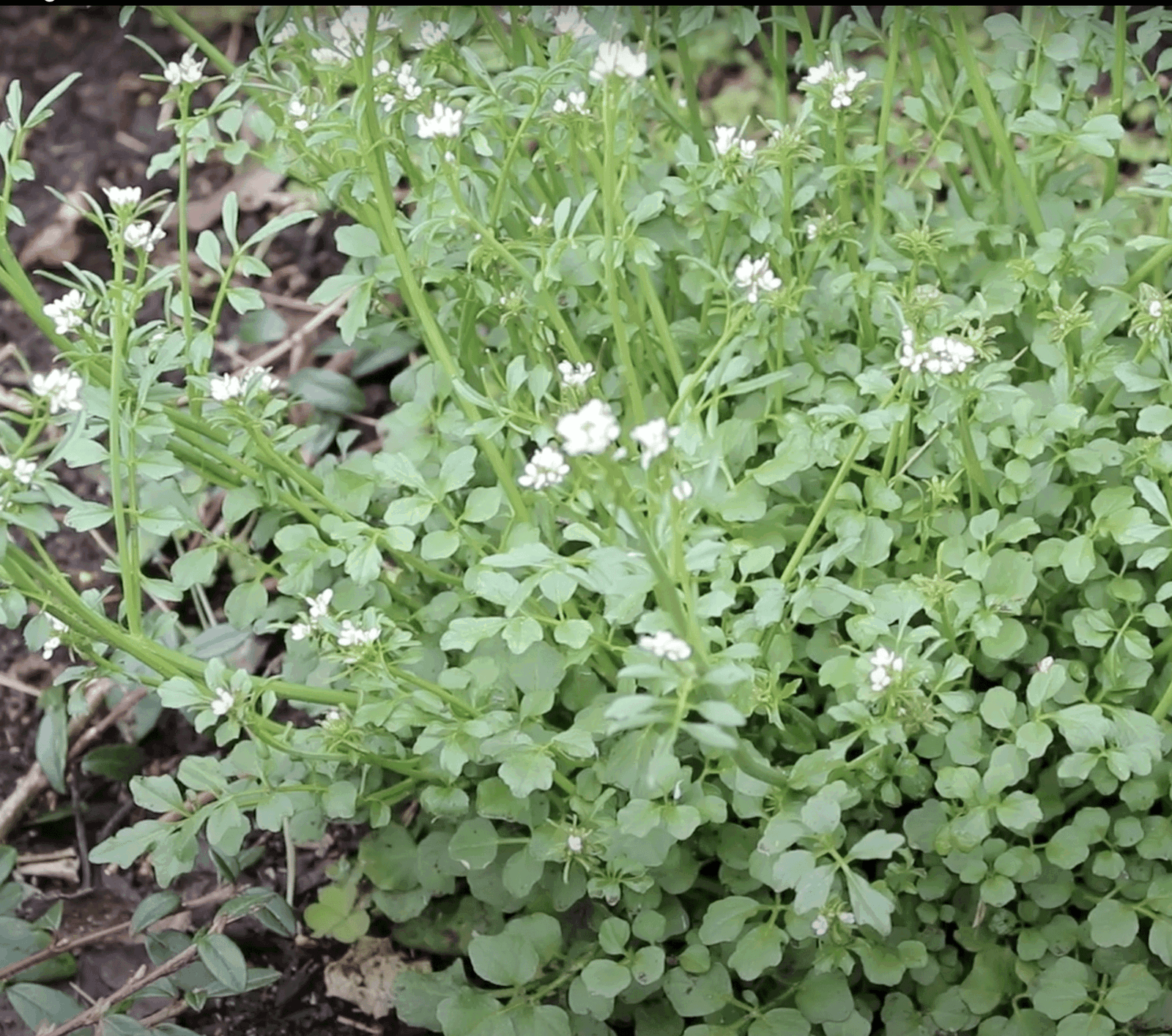

White-flowered weeds may look harmless—even pretty—but they can quickly overtake your lawn if left untreated. These invasive plants compete with grass for nutrients, water, and sunlight, leading to thin, patchy turf. Identifying these weeds by their white blooms is the first step to controlling them effectively and maintaining a healthy lawn.
In this guide, we’ll cover the most common lawn weeds with white flowers, how to identify them, and the best ways to eliminate them from your yard.
LAWN PHIX PRO TIPS
Some of these lawn weeds with white flowers – particularly clover – are desired and welcomed in an organic lawn care program. But for those looking to eliminate these unwanted weeds, I found that the best methods for preventing annual weeds like chickweed are fall pre-emergent applications (with Prodiamine) and springtime post-emergent herbicide sprayings. For perennials like clover, these can treated any time during the growing season with a 3-way herbicide containing 2,4-D and/or Triclopyr.
Important: To help help save the bees and avoid knocking down pollinators, mow and bag the white flowers off of these weeds 1-2 days before spraying with a weed killer.
White Clover (Trifolium repens)
Identification
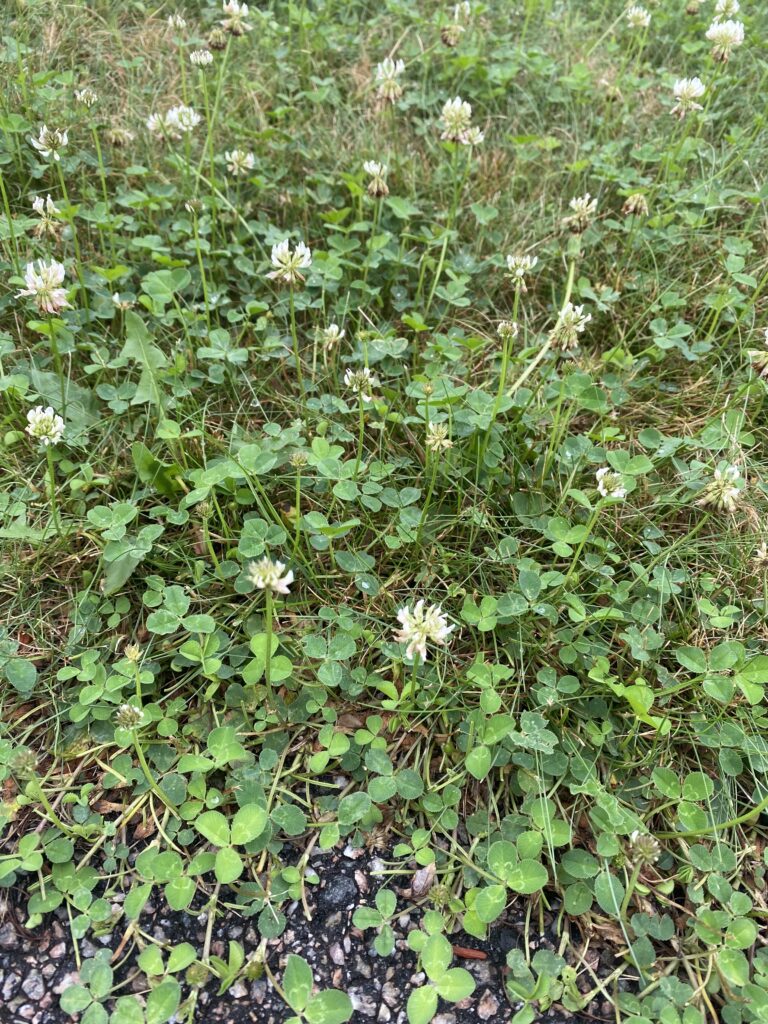
White clover is one of the most recognizable broadleaf weeds with white flowers. It has trifoliate (three-leaf) green leaves with distinctive white crescent markings. The small, round flower heads consist of multiple white florets and often attract bees.
Growing Conditions
White clover thrives in undernourished, compacted soils with low nitrogen levels. It prefers full sun but can tolerate some shade.
Control Methods
- Manual removal: Pull out by hand, getting the entire root system.
- Herbicides: For post-emergent control, use selective broadleaf herbicides like 4-way products (e.g., those containing 2,4-D, dicamba, and MCPP).
- Lawn care tip: Fertilize your lawn regularly to promote thick grass growth and discourage clover from returning.
Chickweed (Stellaria media)
Identification
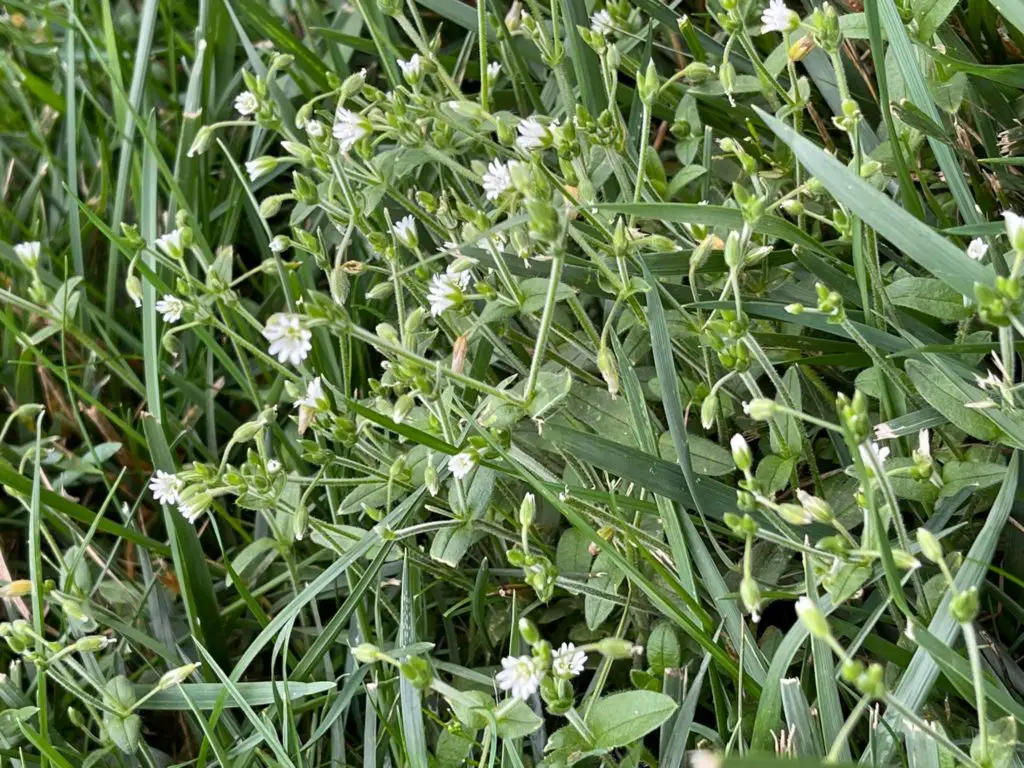
Common chickweed is a sprawling, low-growing weed with small, star-shaped white flowers and oval leaves. It forms dense mats that smother grass.
Growing Conditions
Prefers cool, moist, shady areas and often appears in spring and fall.
Control Methods
- Manual removal: Pull before it flowers and sets seed.
- Herbicides: Use a selective post-emergent herbicide for broadleaf weeds.
- Lawn maintenance: Dethatch and overseed thin areas to crowd out chickweed.
How to Control Chickweed
Ideally, you should apply a pre-emergent herbicide in early spring to control chickweed. This will prevent seeds from germinating. Otherwise, you can use a broadleaf herbicide to get rid of chickweed. You can also hand pull these weeds as their roots are quite shallow. On the other hand, if any of the root material is left in the ground, you can expect chickweed to come back again.
Hairy Bittercress (Cardamine hirsuta)
Identification
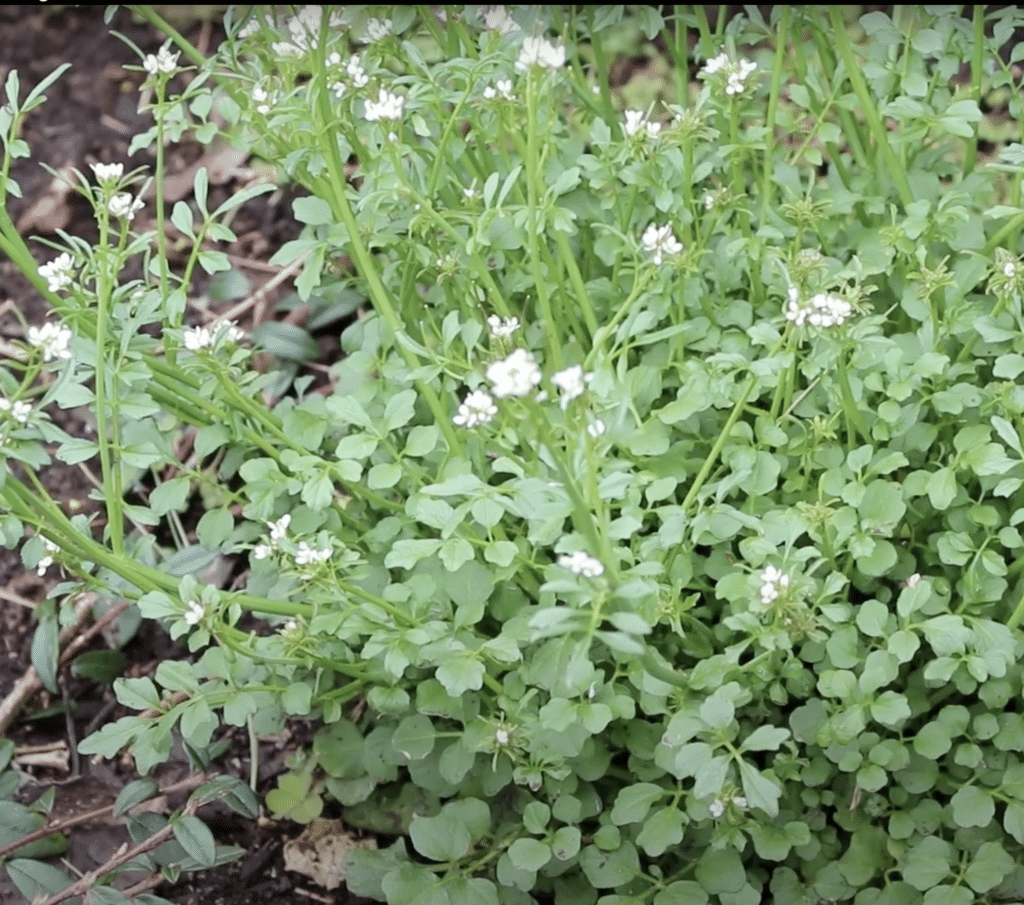
Hairy bittercress is a cool-season annual with tiny white flowers that grow in clusters atop slender stems. It forms a small rosette of rounded, deeply lobed leaves close to the ground.
Growing Conditions
This weed thrives in moist, disturbed soils and is often one of the first to emerge in early spring.
Control Methods
- Hand pulling: Remove before it goes to seed to prevent rapid spreading.
- Herbicides: Apply pre-emergent products in late fall or early spring, or use post-emergent herbicides labeled for broadleaf weeds.
- Prevention: Mulch garden beds and maintain healthy turf to limit bare spots.
English Daisy (Bellis perennis)
Identification
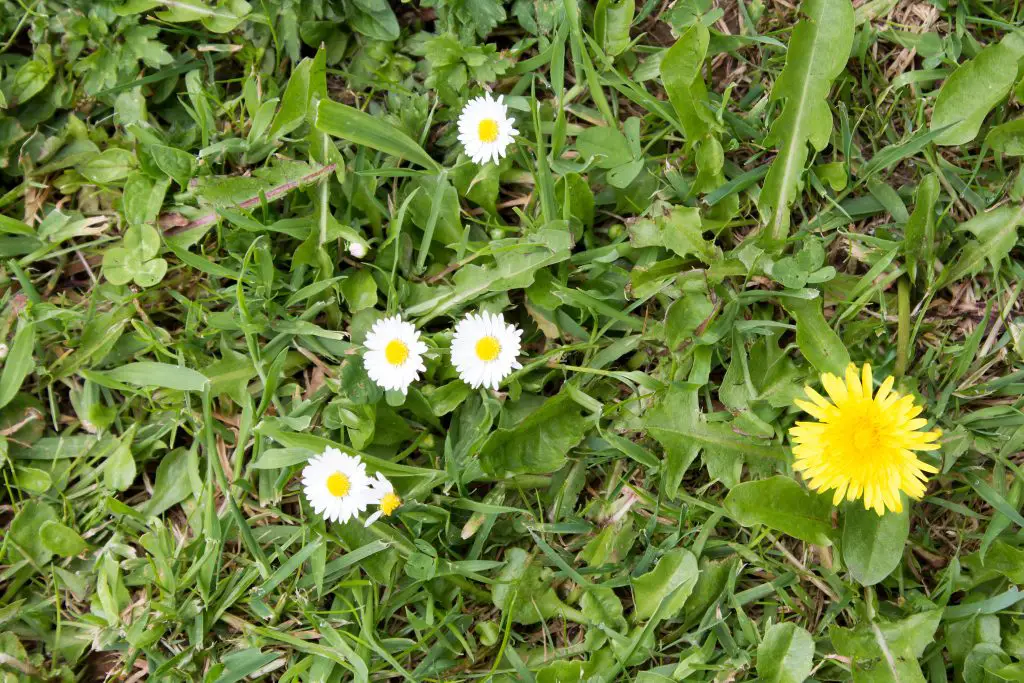
English daisy is a low-growing perennial with spoon-shaped leaves and charming white flowers with yellow centers—sometimes tinged with pink. It forms dense mats and spreads aggressively in cool, moist conditions.
Growing Conditions
It thrives in compacted, damp lawns, especially in the spring and fall.
Control Methods
- Cultural practices: Improve soil drainage and aerate your lawn to reduce compaction.
- Manual removal: Hand-pull or use a weeding tool to remove roots.
- Herbicides: Apply broadleaf herbicides labeled for perennial weeds.
Wild Carrot (Queen Anne’s Lace) (Daucus carota)
Identification
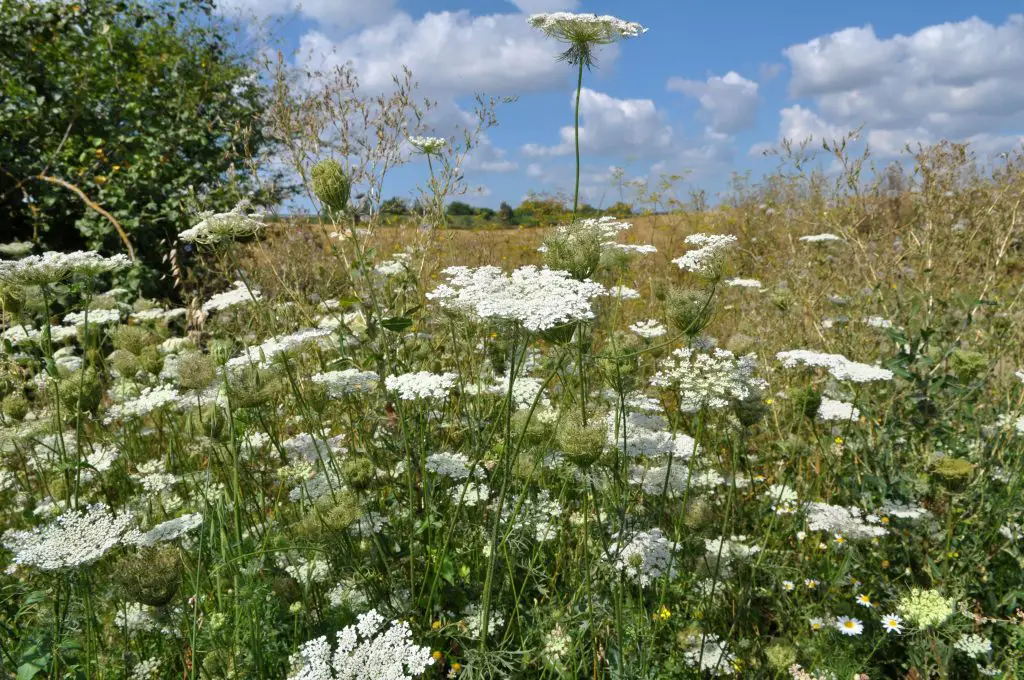
Wild carrot resembles a large parsley plant with feathery green foliage and umbrella-shaped clusters of tiny white flowers. It can grow 1–4 feet tall and develops a long, woody taproot.
Growing Conditions
Common in poor, dry soils and unmown areas. Wild carrot prefers full sun and often appears in meadows or along roadsides but can invade neglected lawn edges.
Control Methods
- Mowing: Regular mowing can help prevent it from flowering and setting seed.
- Manual removal: Dig out the entire taproot to prevent regrowth.
- Herbicides: Spot-treat with a broadleaf herbicide if necessary.
Dandelions (Taraxacum officinale)
Identification
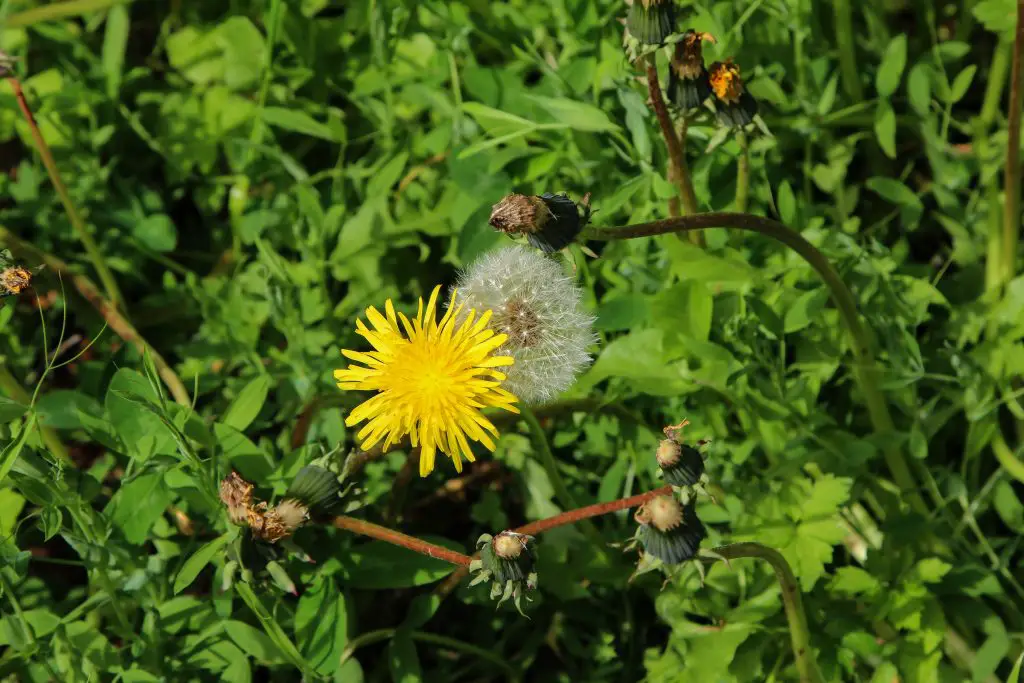
While best known for their yellow flowers, dandelions produce round white seed heads. When broken, the jagged, toothy leaves grow in a rosette and exude milky sap.
Where it Grows
Dandelions are found in a wide range of soil conditions and thrive in full sun.
How to Control
- Pull with a dandelion fork to remove the deep taproot.
- Apply selective herbicide (liquid or granular) targeting broadleaf weeds.
- Maintain dense turf to reduce bare soil for seeds to germinate.
Wild Violet (Viola spp.)
Identification
Although often blooming with purple or blue flowers, some wild violets produce small white blooms. They have heart-shaped leaves and a low, spreading growth habit.
Where it Grows
Thrives in moist, shady lawns and spreads via rhizomes and seeds.
How to Control
- Improve lawn health with aeration and increased sunlight exposure.
- Difficult to pull due to underground roots.
- Use a broadleaf herbicide containing triclopyr for best results.
Final Thoughts
White-flowered lawn weeds are more than just an eyesore—they’re often signs of underlying lawn issues like poor soil fertility or excessive moisture. Consistent lawn care is the key to preventing these weeds: proper mowing, fertilization, and soil management.
Need help tackling persistent weeds in your yard? Lawn Phix offers professional weed control services in Massachusetts using licensed products and proven strategies. Contact us today for a free consultation and lawn care plan tailored to your property.
Weeds with White Flowers FAQs
What are the weeds with white flowers called?
Several broadleaf weeds produce small white flowers, both annual and perennial. Some of the most common include white clover, chickweed, dandelion, wild violet, wild carrot (Queen Anne’s lace), English daisy, and hairy bittercress.
What are the white-flowered weeds growing in my yard?
To identify white-flowered weeds in your lawn, look closely at the flower shape, leaf type, and growth habit. Use this guide as a reference, or try a plant identification app to help match the weed to a name. Knowing what you’re dealing with is the first step toward effective control.
Are small white flowers in my lawn considered weeds?
If small white flowers are popping up in your grass—and you didn’t plant them—they’re likely weeds. Many of these plants spread quickly through seeds, roots, or creeping stems. Identifying and treating them early can help prevent them from taking over your lawn.