
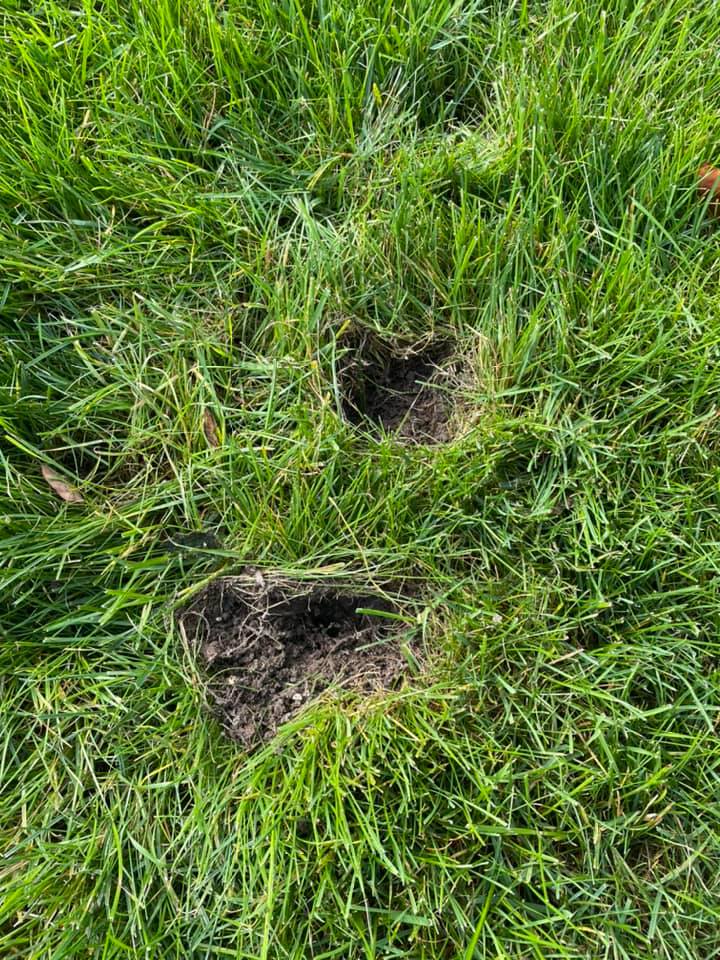

Finding small holes in your lawn overnight can be frustrating and alarming. These holes not only disrupt the appearance of your yard but may also signal underlying issues like pests or poor soil health. From insects to burrowing animals, understanding the cause is the first step toward restoring your lawn’s vibrancy.
Why Are There New Holes in My Yard?
Small holes in your yard can result from a variety of causes, such as insects, burrowing animals, or even natural processes like soil settling. Identifying the culprit is essential for addressing the problem and preventing further damage.
Common Causes of Lawn Holes:
- Earthworm Activity
Earthworms improve soil health by naturally aerating it, but they also leave behind small mounds of soil. While these mounds might be unsightly, they indicate a healthy lawn ecosystem. Light raking can smooth out the mounds if needed. - Chipmunks and Squirrels
These small rodents create narrow tunnels or shallow divots while foraging or seeking shelter. Installing barriers, removing food sources like birdseed, and applying castor oil granules can help deter their activity. - Voles and Moles
- Voles: Known for leaving small, round holes and surface runways, voles are most active in winter but can wreak havoc on lawns year-round. Keep grass short and reduce mulch to discourage them.
- Moles: These burrowers create volcano-shaped mounds as they tunnel underground in search of grubs. Targeting their food source with grub control treatments can help manage mole populations.
- Insects
Soil-dwelling insects such as ants, cicada killers, and wasps often create small holes as they build nests. Treat these infestations with targeted insecticides and maintain healthy turf to reduce their presence. - Snakes
Snakes don’t dig their own holes but often use abandoned burrows. Seal unused burrows with soil or grass sod to prevent their return. - Birds and Wildlife
Birds may dig into your lawn searching for insects, especially if your soil has a high grub population. Ensure proper soil management to minimize insect activity.
How to Identify What’s Making Holes in Your Yard
- Size and Shape of the Holes: Small, round holes suggest insects or rodents, while larger, irregular holes might indicate wildlife like raccoons or skunks.
- Time of Activity: Nocturnal digging often points to animals like raccoons or skunks.
- Associated Damage: Look for chewed grass blades, tunnels, or mounds to narrow down the culprit.
Effective Solutions for Lawn Holes
- Natural Deterrents
Castor oil granules and other natural repellents can help discourage rodents and pests without harming the environment. - Insect Management
Use professional-grade insecticides to eliminate grubs and other soil pests that attract wildlife. - Improving Lawn Health
Aerate your soil, fertilize regularly, and maintain a thick turf to reduce susceptibility to pests and burrowing animals. - Fill and Repair Holes
Once the pests are managed, fill holes with topsoil and reseed the affected areas to restore your lawn.
FAQs About Lawn Holes
What animal digs small holes at night?
Raccoons and skunks are common nocturnal diggers. They search for grubs and other insects in the soil.
What makes 2-inch holes in the ground?
These are often created by voles, chipmunks, or insects like cicada killers. Identifying the pattern of damage can help confirm the cause.
Why is my lawn full of little holes?
Small holes can be caused by a range of factors, from earthworm activity and insects to wildlife foraging for food. Proper lawn care and pest control are key to resolving the issue.
Earthworm Mounds
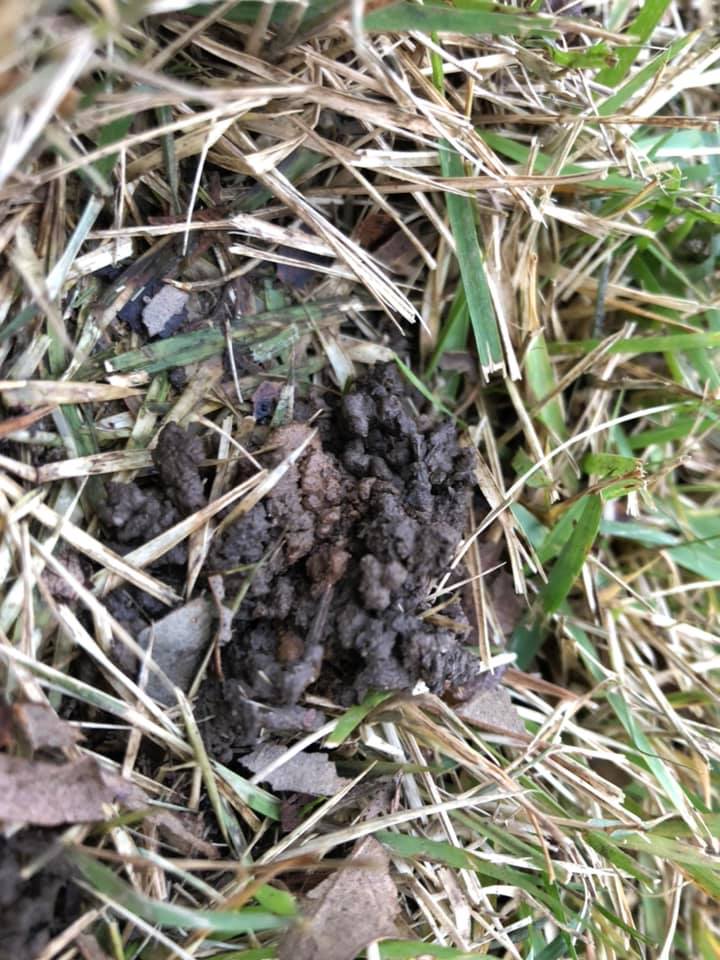
Earthworm mounds are small mud balls that can be found around the lawn. Although they may look unsightly, they shouldn’t be a cause for alarm. In fact, they could mean that your lawn has a healthy population of earthworms!
Leave any earthworm holes well alone. If you can’t stand the look of the mounds, consider raking your lawn regularly to smooth sunken grass.
Chipmunk Holes
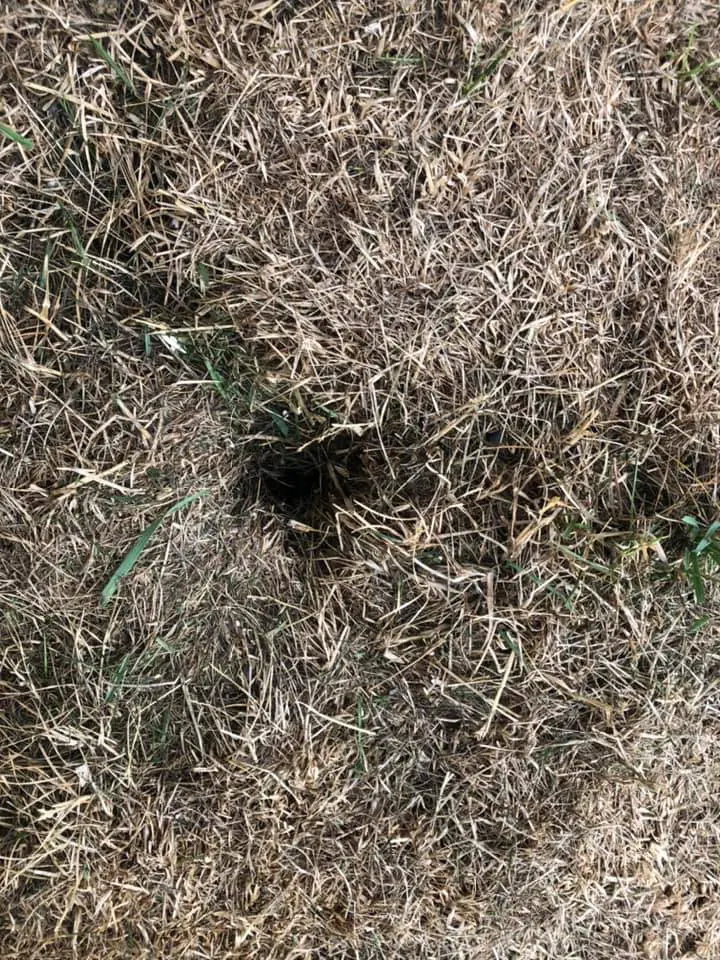
Chipmunks are known for digging holes that allow them to take refuge from predators during the day. Because these creatures create a network of narrow tunnels around the property, it’s best to eliminate them as soon as possible. Use ‘L’ shaped tunnel barriers to reduce their activity, and replace your landscaping with heavy gravel.
Squirrel Holes
Squirrel holes in your yard are shallow, small divets that trap moisture and injure young plants. You will often find holes from Eastern gray squirrels in garden beds, tree snags, and mulched areas.
Eliminate holes caused by these small rodents using castor oil, live traps, or natural predators.
Voles
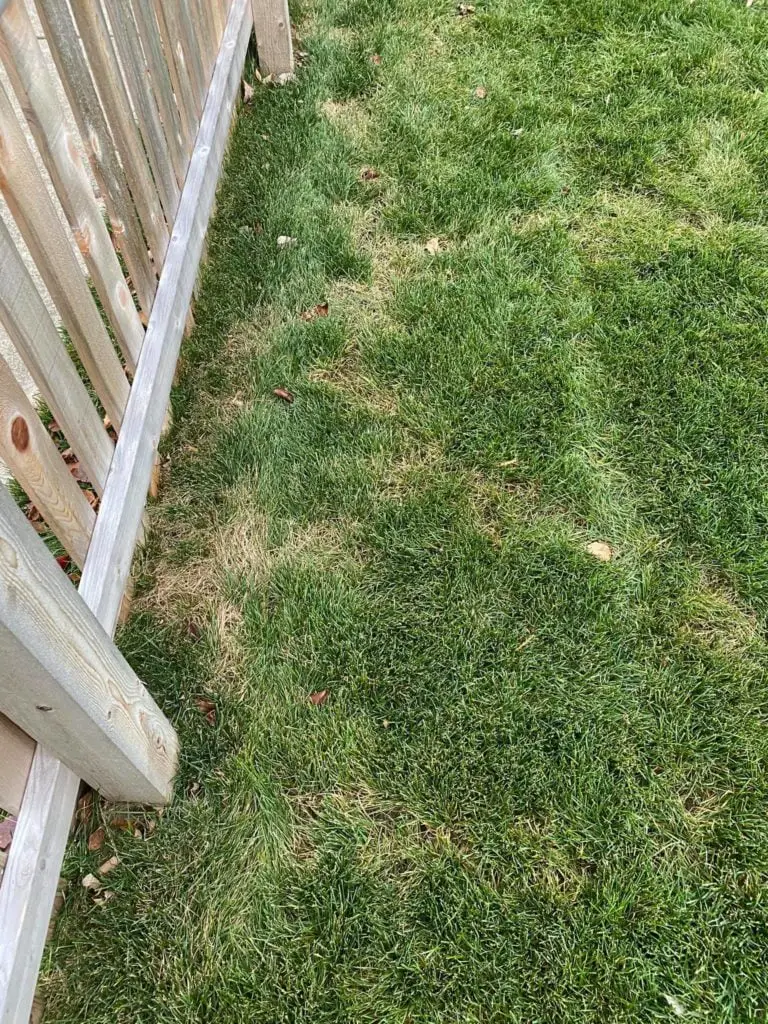
Voles dig small holes all over your property for the purposes of eating in secret. To keep vole holes at bay, cut grasses short, reduce heavy mulching, and pull vegetation away from the sides of the home.
Voles tend to do most of their damage in wintertime, creating patches of dead grass by damaging vulnerable grass blades. Read more on how to get rid of voles using proven resources.
Moles
Moles dig tunnels and tower-like holes that create uneven ground levels around the property. In pursuit of underground insects, these rodents rarely come up for air.
Mole holes can be eliminated using a combination of grub killers, habitat mitigations, and live traps. Learn more about how to get rid of moles using a variety of methods.
Snakes
Snakes are easily some of the most disliked lawn pests on this list. Contrary to popular belief, snakes cannot create their own burrows. Instead, they must repurpose abandoned larger holes that provide shelter from the elements.
Snake holes are typically fixed by filling in or covering holes with soil, grass sods, or burlap. This will ensure the pest cannot return (or breed) near your property.
Insects (Wasps)
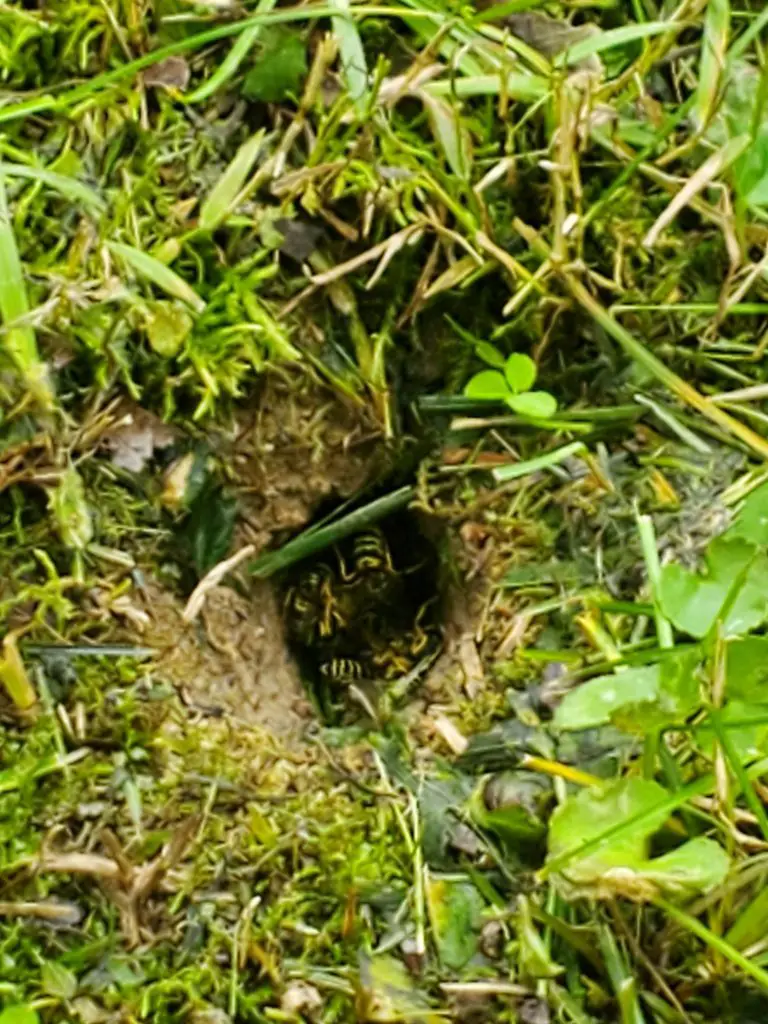
Young wasps hatch from holes in the ground during the early spring months. Some species, including scoliid wasps and cicada killer wasps, create large holes that may be up to an inch in diameter.
Use a combination of insecticides, proper lawn fertilization, and predatory animals (most birds) to keep reoccurring insect infestations out.
I have a recurring hole that does not break through the sod. I have filled it twice and it comes back. Soil gets pushed up through the sod and the hole (1″ deep and 1.5’wide) fills with water. When it dried, I dug down to see if there was a pipe or anything leaking…found nothing. Only appears in one spot. Any ideas ?