

LAWN PHIX PRO PICK
I have been using Prodiamine (granular and liquid) as my first-round pre-emergent application every year and will never switch. Yes, it’s yellow and can be messy, but there’s no denying its effectiveness. I treat 100s of 1000s of square feet of commercial and residential turf, and every one of them gets Prodiamine in late March or early April. No exceptions. I’ll apply one heavy application of 5# per 1,000 sq. ft., which is enough for most properties with thick, healthy turf. It’s by far my #1 pre-emergent herbicide for crabgrass-free lawns.
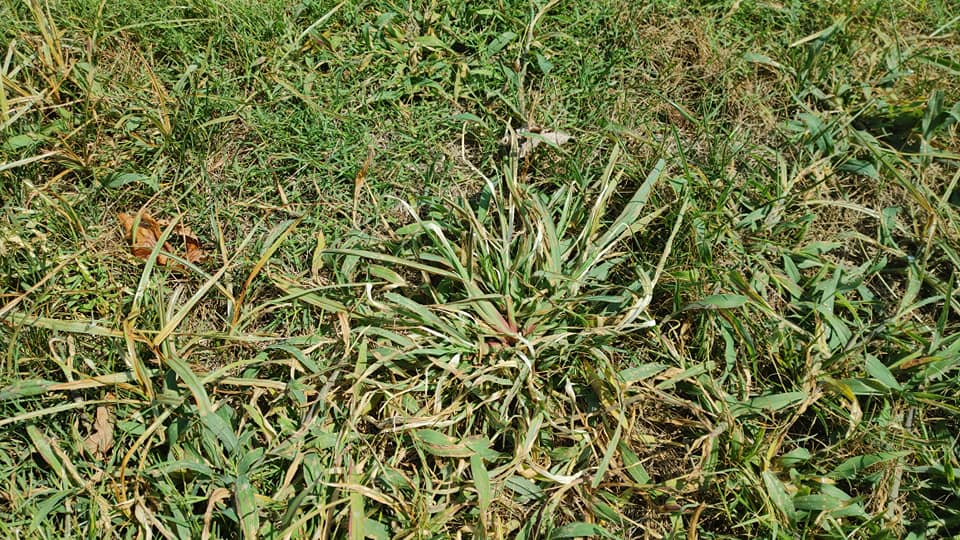
Crabgrass can quickly turn a lush, healthy lawn into a patchy, weedy mess. As a licensed lawn care professional, I’ve treated hundreds of lawns, tested dozens of products, and learned firsthand what works—and what doesn’t—when it comes to controlling crabgrass.
In this updated guide, I’ll break down the five best crabgrass preventers and pre-emergent herbicides to help you prevent crabgrass and broadleaf weeds before they invade. I’ll also share my tips, experiences, and step-by-step instructions to get the best results for your lawn.
Our Top Crabgrass Preventer Picks
- Best Overall Preventer: 0-0-7 Prodiamine 0.37%
- Best Preventer with Fertilizer: The Andersons 21-0-10 with 0.25% Dimension
- Best Liquid Preventer: Dimension 2EW
- Best Budget Preventer: Prodiamine 65 WDG (Generic Barricade)
- Best Fall/Alternative Preventer: Pendulum 2G Granular Herbicide
What Are Pre-Emergent Herbicides and Why Do You Need Them?
Pre-emergent herbicides prevent crabgrass seeds and other weed seeds from germinating. Unlike post-emergent weed killers, which target existing weeds, pre-emergents create a protective barrier in the soil to stop weeds before they sprout.
Personal Tip:
I’ve seen many DIYers make the mistake of applying pre-emergents too late—after weeds have already germinated. Timing is critical—apply early to prevent weeds from gaining a foothold.
The 5 Best Crabgrass Pre-Emergents for 2026
1. Best Overall: Prodiamine 0-0-7 Pre-Emergent Herbicide
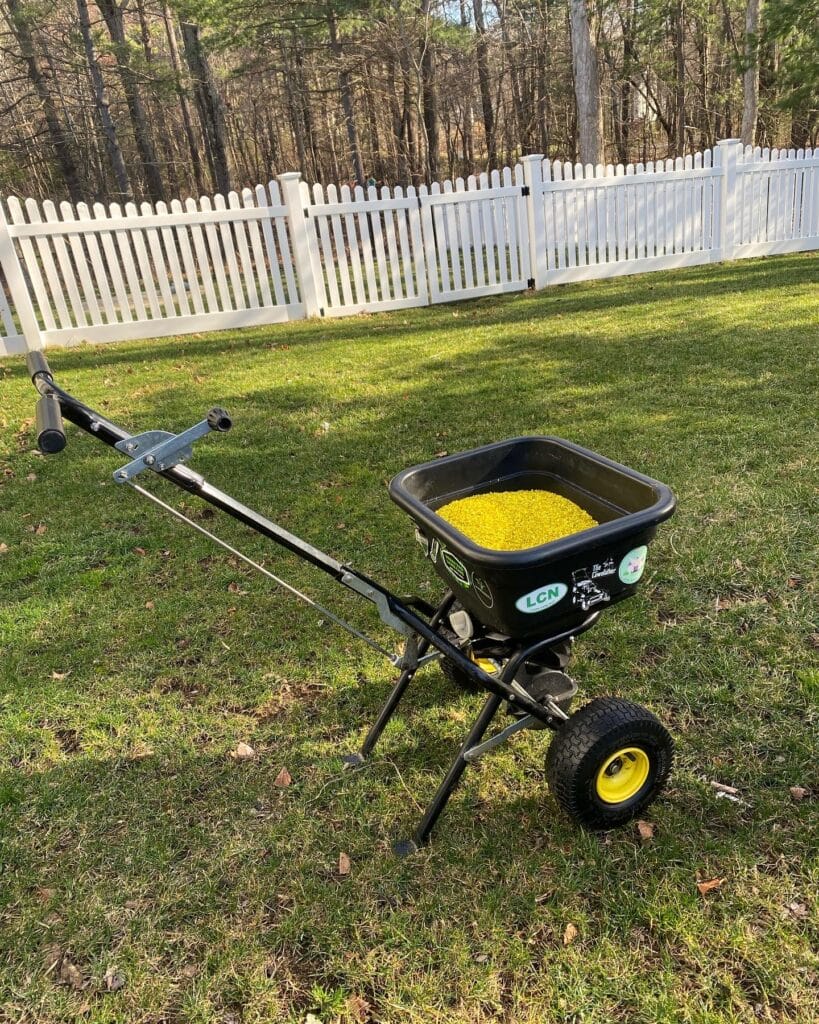
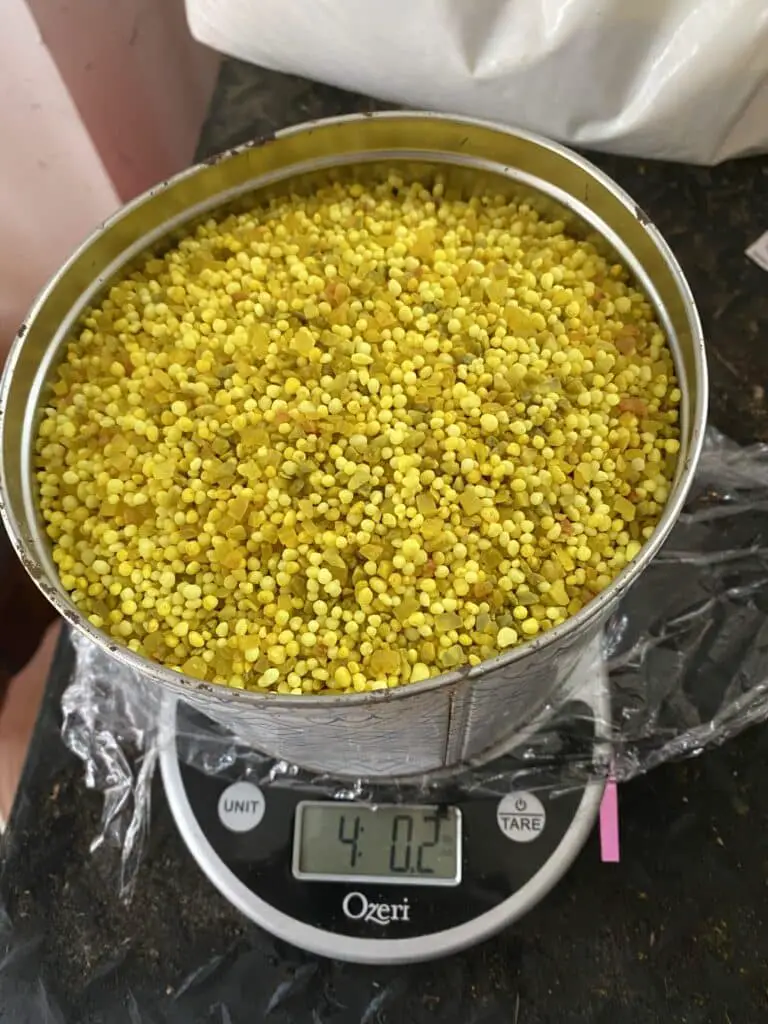
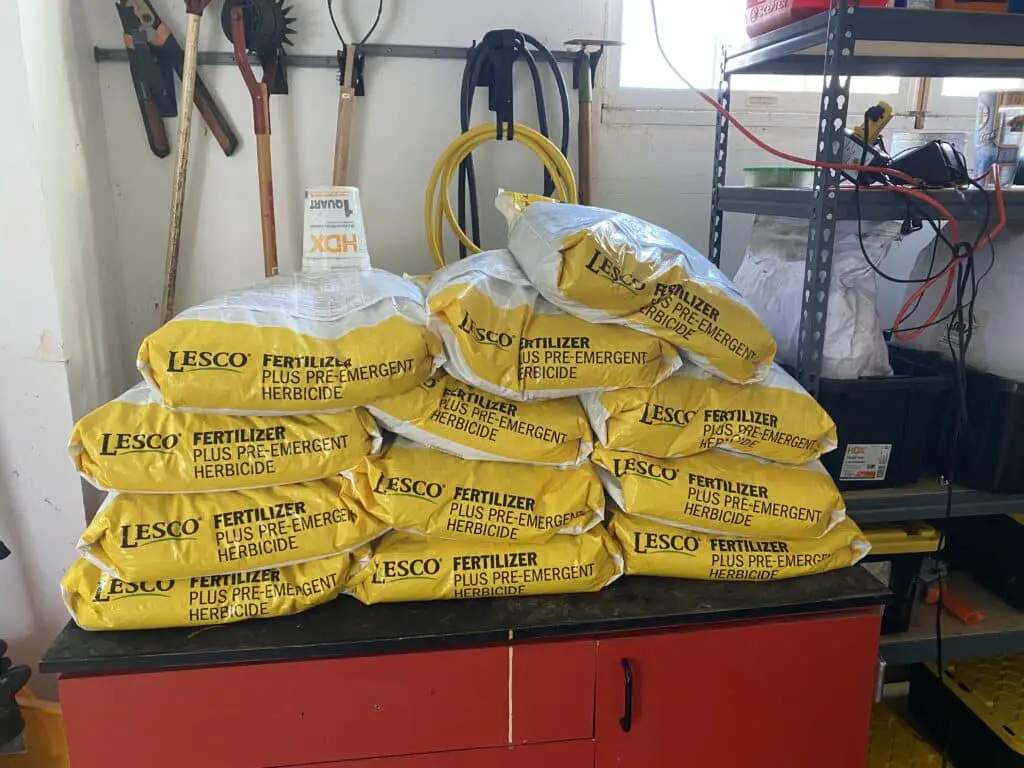
If you want a low-maintenance, long-lasting solution, Prodiamine 0-0-7 is my top pick. I’ve used this product for over five seasons and continue to see excellent results—even along sidewalks and driveways where crabgrass invasion is most likely.
Key Features:
- Covers 12,500 sq. ft. per 50-lb bag.
- Effective for 6–9 months.
- Works for cool season grasses like tall fescue and Kentucky bluegrass.
- Controls crabgrass plants and grassy weeds effectively.
How to Apply:
- Timing: Apply in early spring when soil temperatures reach 50°F.
- Method: Use a spreader for even coverage, then water in with ½ inch of water to activate.
Pros:
- Easy to apply.
- Affordable and widely available.
- Safe for most lawn types.
Cons:
- Can stain equipment—clean tools after use.
- Less effective on broadleaf weeds without additional treatments.
Check the latest prices on Solution Stores and Do My Own.
2. Best with Fertilizer: The Andersons 21-0-10 with Dimension
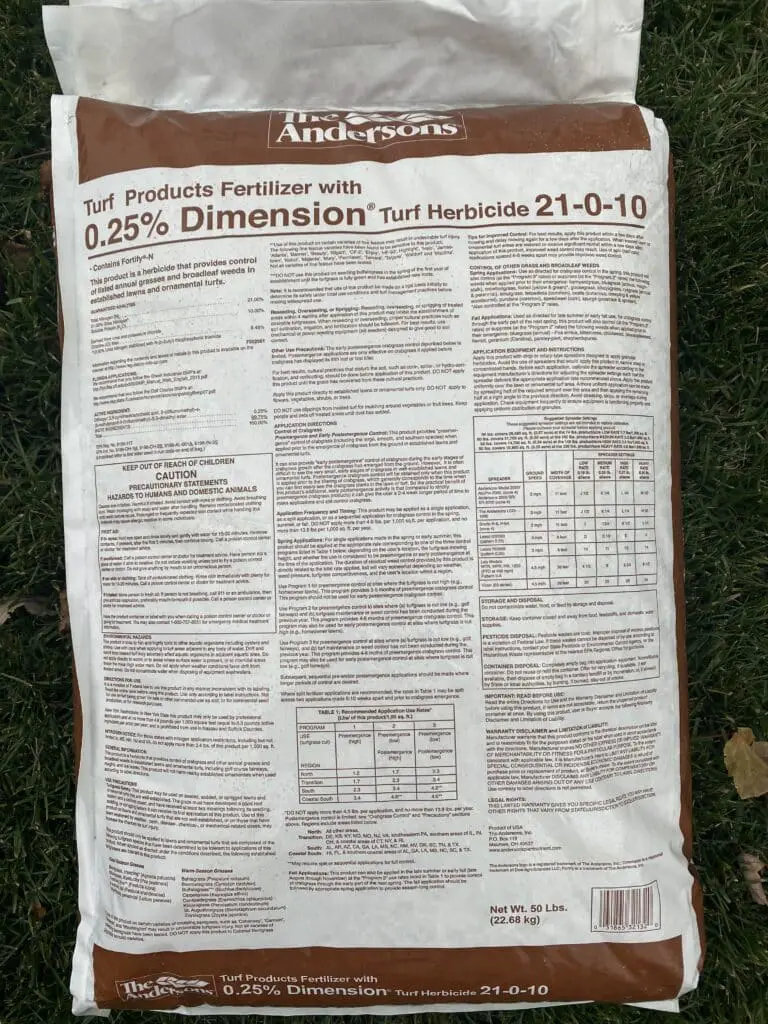
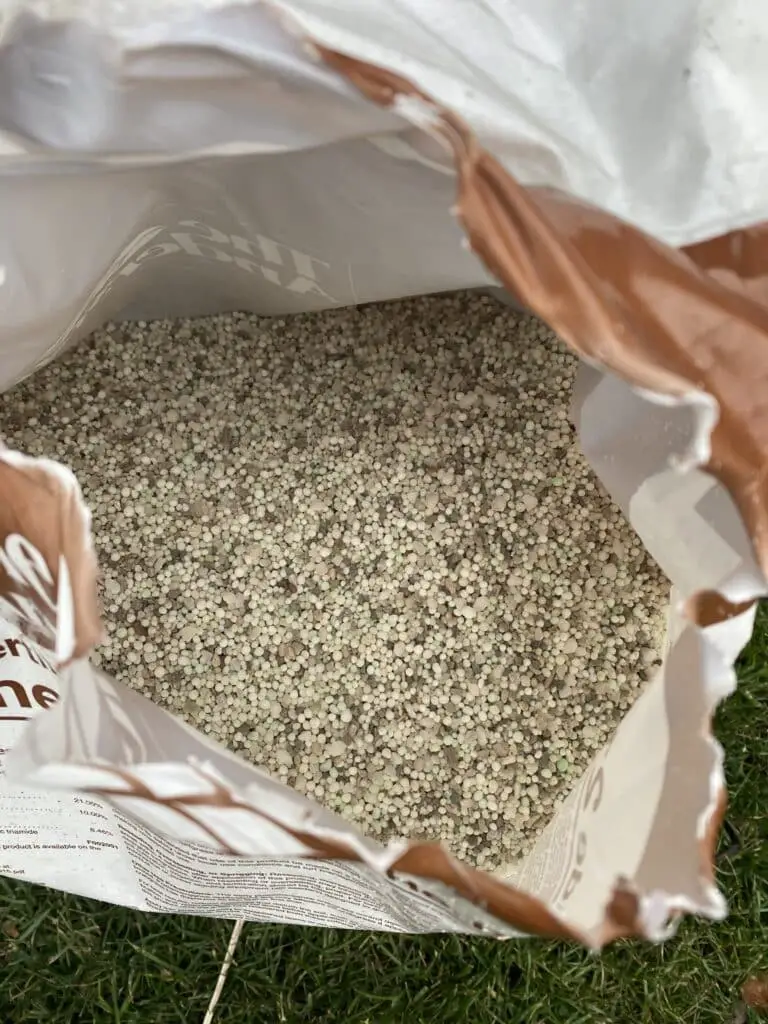
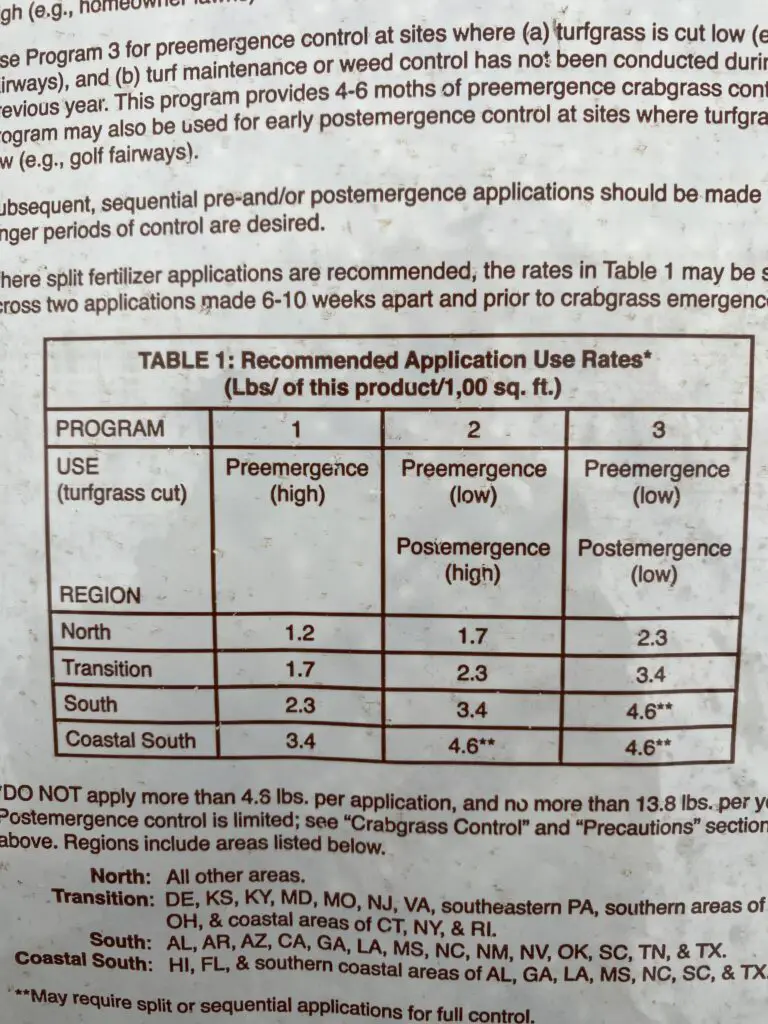
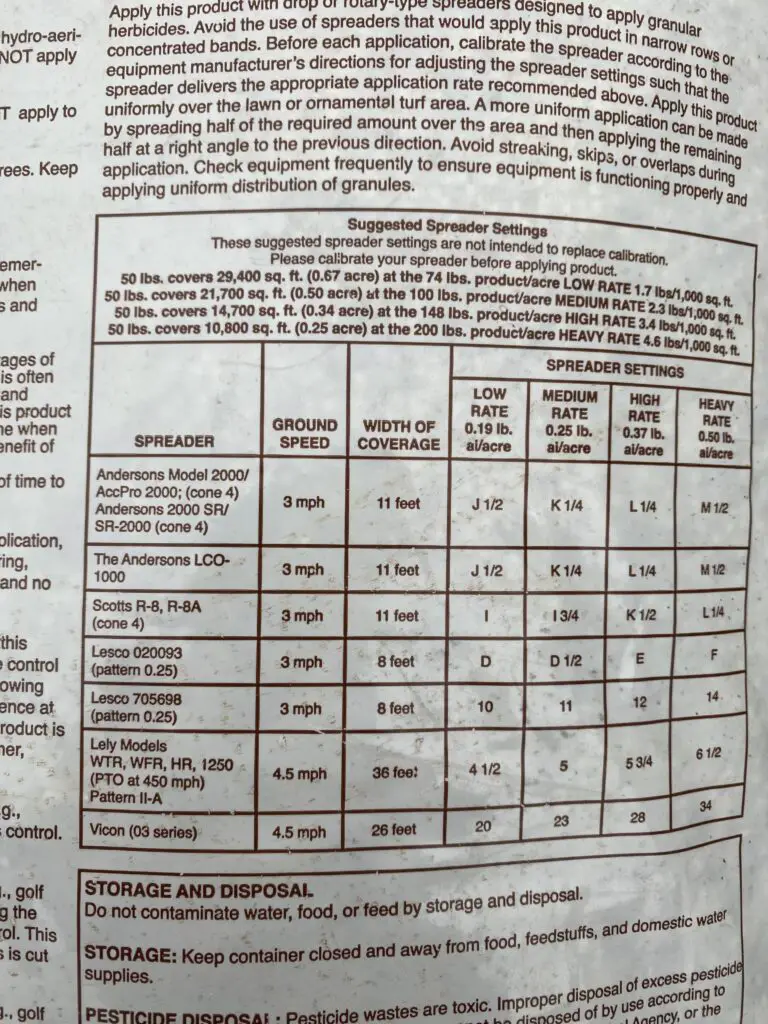
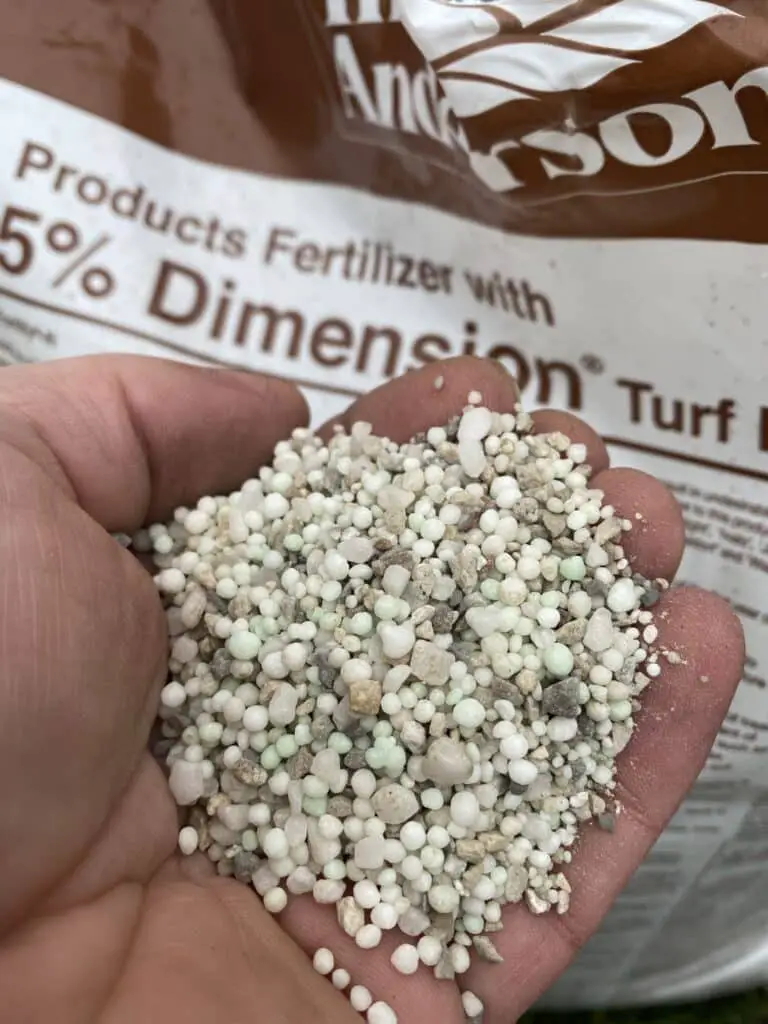
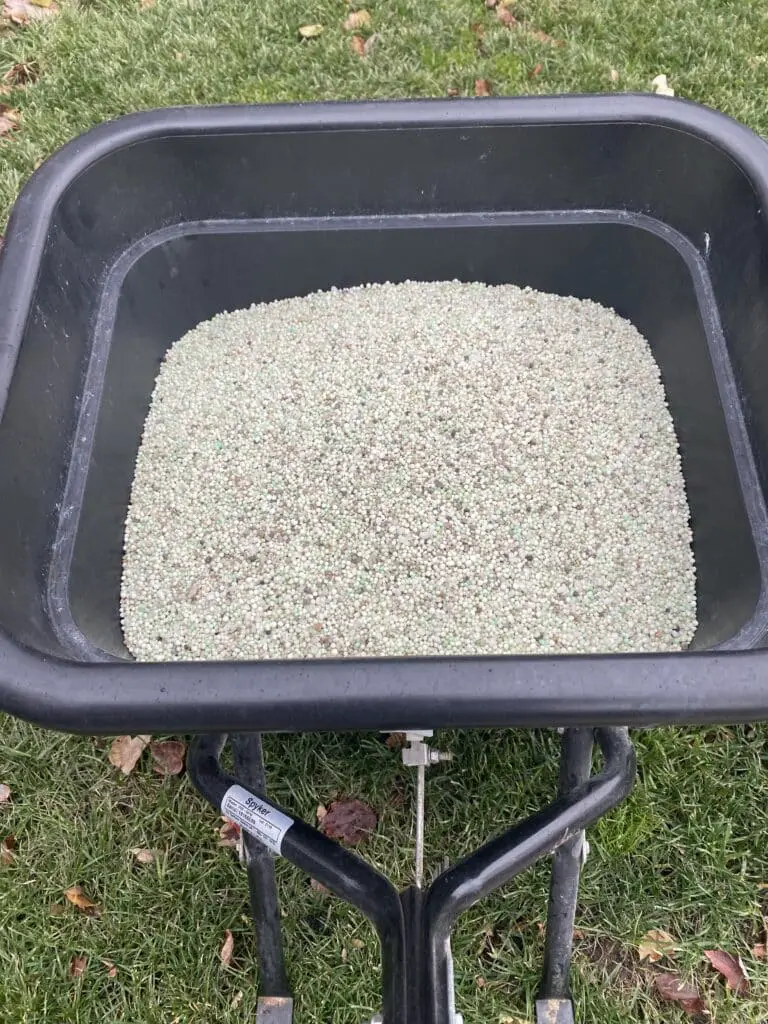
This pre-emergent herbicide and fertilizer combo works wonders for stressed lawns. I often use it for split applications later in the season to keep lawns green and weed-free through summer.
Key Features:
- Combines weed control with nutrients for healthier grass.
- Provides pre- and post-emergent control of crabgrass seedlings and broadleaf weeds.
- Covers up to 10,800 sq. ft. per bag.
How to Apply:
- Apply in late spring or early summer when actively growing grass needs nutrients.
- Water in immediately after application.
Pros:
- Adds fertilizer for quick green-up.
- Effective on crabgrass seeds and other weeds.
Cons:
- Shorter residual control (3–4 months).
- Slightly more expensive than Prodiamine.
3. Best Liquid Option: Dimension 2EW Herbicide
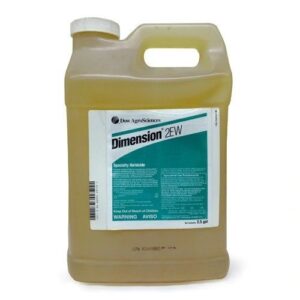
For larger lawns or late applications, I rely on Dimension 2EW. It’s easy to mix, versatile, and has post-emergent capabilities to handle existing weeds.
Key Features:
- Covers up to 46,720 sq. ft. per gallon.
- Targets smooth crabgrass, barnyard grass, and some broadleaf weeds.
- Can control actively growing young crabgrass seedlings.
How to Apply:
- Mix with a surfactant for better adhesion.
- Apply with a sprayer and water in within 6 hours.
Pros:
- Flexible timing—can be applied later in the season.
- Targets both crabgrass plants and seeds.
Cons:
- Higher cost per application.
- Strong odor—apply when neighbors aren’t outside.
Find Dimension 2EW at Do My Own and Solution Stores.
4. Best Budget Option: Prodiamine 65 WDG
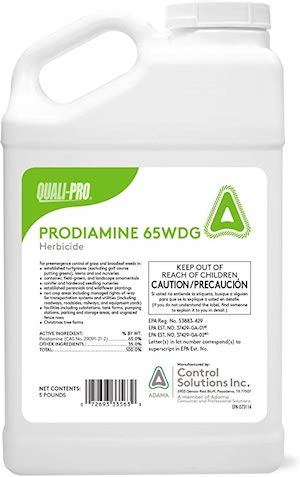
For DIY homeowners, Prodiamine 65 WDG delivers reliable crabgrass control at a lower price.
Key Features:
- Affordable and highly effective.
- Controls crabgrass seeds, grassy weeds, and broadleaf weeds.
- Suitable for cool season grasses.
How to Apply:
- Measure and mix carefully with water.
- Use a sprayer for even distribution and water in immediately.
Pros:
- Cost-effective.
- Long-lasting control.
Cons:
- Requires precise mixing.
Check the latest prices at Do My Own and Solution Stores.
5. Best for Fall: Pendulum 2G Granular Herbicide
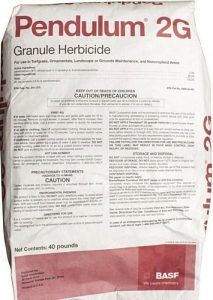
I recommend Pendulum 2G for fall applications to prevent hairy crabgrass, poa annua, and other weeds that emerge later in the year.
Key Features:
- Effective for 6–8 months.
- Covers up to 17,400 sq. ft. per 40-lb bag.
How to Apply:
- Apply in early fall when soil temperatures drop below 55°F.
- Ideal for flower beds and garden beds too.
Pros:
- Works year-round with split applications.
- Targets annual bluegrass and perennial ryegrass issues.
Cons:
- Stains hard surfaces—blow off sidewalks and driveways immediately.
FAQs: Crabgrass Control
Q: When should I apply crabgrass preventers?
Apply crabgrass preventer in the early spring before soil temperatures hit 55°F and again in late summer or early fall for year-round control.
Q: Will pre-emergents kill existing crabgrass?
No. Use a post-emergent herbicide like Dimension 2EW to treat existing weeds.
Q: What is the best pre-emergent for broadleaf weeds?
The Andersons 21-0-10 (Dimension/Dithiopyr) is effective against grassy and broadleaf weeds and doubles as a fertilizer.
Final Thoughts
Preventing crabgrass invasion and keeping a healthy lawn requires the right product, proper timing, and consistent application. From my experience, these five pre-emergent herbicides deliver the best results for all lawn types and budgets.
Apply early, split applications for full-season control, and pair them with fertilizers or organic products for optimal lawn health.
Prodiamine (Barricade) Pros
- Long lasting – up to 9 months efficacy
- Inexpensive (particularly generic)
- Best to apply early in the season
- Great crabgrass control and other lawn weeds
Prodiamine (Barricade) Cons
- Needs to be watered in quickly
- Will lose a lot of efficacy if not watered in within 14 days
- Not a great broadleaf weed control
- Breaks down with exposed sunlight (photodegradation)
- Note for aeration and overseed: it’s a good to lower your height of cut (HOC) a couple of weeks prior to allow more sunlight to the soil. This will help ensure the pre-emergent is out of the soil
Dithiopyr (Dimension) Pros
- Better than Prodiamine at preventing broadleaf weeds
- Post-emergent qualities that can kill younger crabgrass
- Apply later in the season – great option for your second/third of your split application
Dithiopyr (Dimension) Cons
- Root pruner of good grass (KBG, TTTF, PRG)
- Ensure roots are well-established before applying
- More expensive than Prodiamine
- Less efficacy than Prodiamine (3-4 months)
- Takes higher rates to control crabgrass
- Breaks down more so with water and heat
There is SO much great info here. I’m also in New England and will follow the recommended split applications. Thanks!
Thanks, Jarred! Good luck and keep me posted on how you make out this season.
I already have dimension can I use that in April or should I use the prodiamine?
Hi Kim – if you already have Dimension then you can certainly use that in the spring, before your soil temps hit 55 degrees.
Great article. Can’t find the The Andersons 21-0-10 Fertilizer with 0.25% Dimension Turf Herbicide anywhere. I ordered on Amazon but my package got lost. Everywhere else seems out of stock. Any recommendations on where to find it or a similar product? Already bought the prodiamine and was about to apply it today just want to make sure I have a post emergent that works well after it
Hi Tim – thanks for your comment! If you have Prodiamine, like the 65WDG or one from Yard Mastery, then you do not need anything else. If you wanted to apply a fertilizer on top of that, then that would be OK. But you can hold off on your 20-0-10 with Dimension or other combo mix for your second application in late May/early June.
I applied Lesco dimension with fert in early March on my tall fescue lawn in MD. But, now I have lots of chickweed still in early May. I applied lesco lockup plus last weekend but haven’t seen much impact. Hope you can help with this chickweed issues. Thanks & what a Great web site!
Hi Ricky. Thanks for the comment and kind words! You probably have annual chickweed. You can use Tenacity with a non-ionic surfactant and a 3-way herbicide like Speedzone . I use this mix (or with Quinclorac instead of Tenacity) for my yard. I think this will work well for you. Let me know how you make out and if you have any more questions!
I plan to thatch, apply pre-emergent crabgrass killer, and to fertilize. In what order do I do these things? I have nutsedge that I can’t get rid of. Any help there?
Hi Suzanne,
I wouldn’t recommend dethatching in the spring if you don’t have to. However, if you do, the order would be:
1. Dethatch
2. Pre-emergent
3. Fertilize
4. Crabgrass killer (if crabgrass emerges)
For nutsedge, I have a post on how to get rid of nutsedge and a list of the top nutsedge killers here.
Let me know if you have any other questions! Happy to help!
Hi Mark,
Will these pre-emergence products effect PRG over seeding at the same time?
Hi Steve. Depending on your grasstype, the best pre-emergent option for seeding/overseeding will be Tenacity herbicide or anything containing the AI Mesotrione.
I have lespedeza in my yard. It drops seeds in the fall and dies off. The seeds then sprout in the spring. I need a crabgrass pre emerge that will not effect these seeds.
Also, maybe a mature crabgrass killer that won’t effect the lespedeza. What can you recommend?
Thanks a lot!
Bill in Arkansas
806-678-8319