
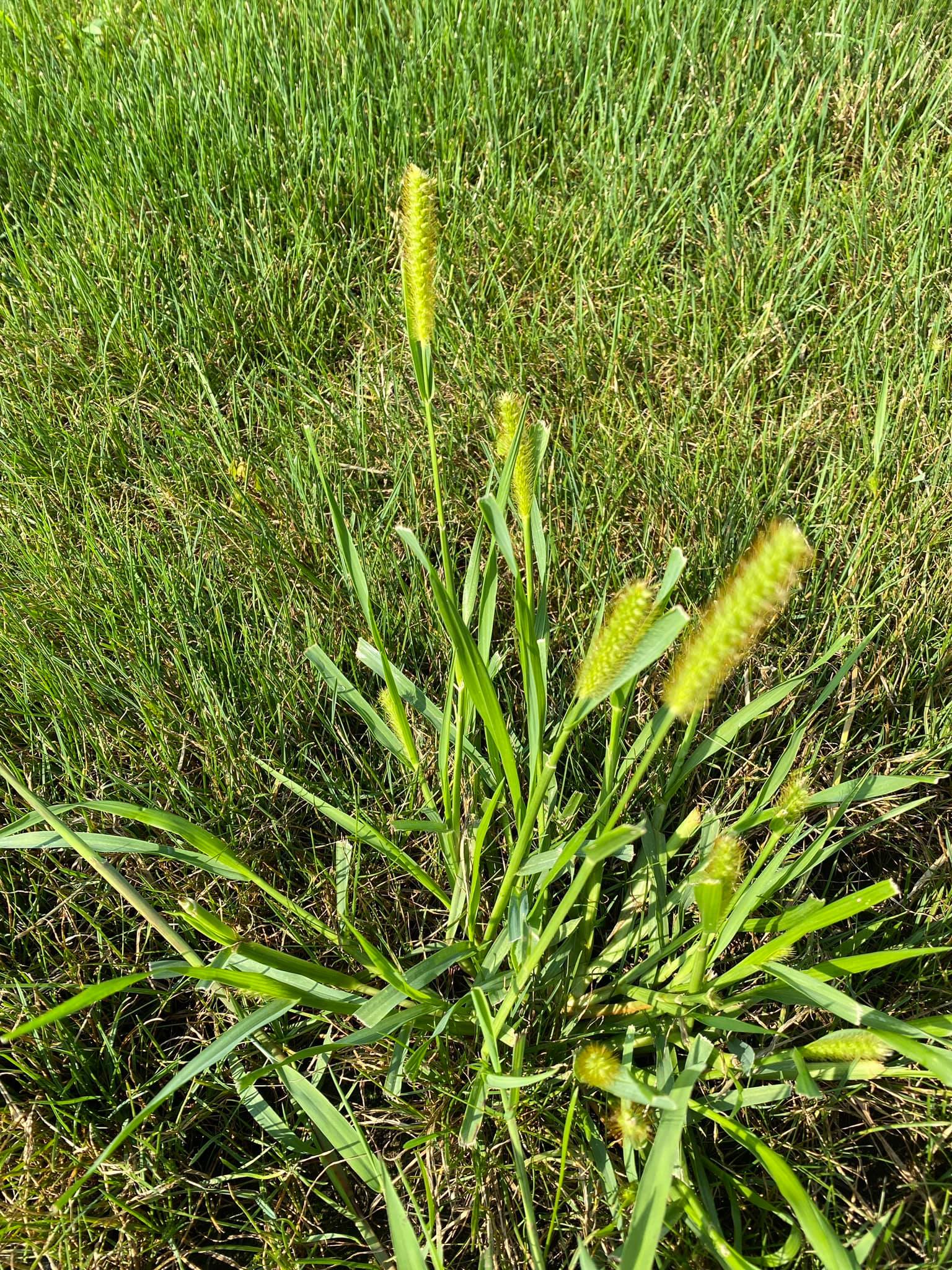

Foxtail is an aggressive, fast-growing annual weed that can quickly invade thin or neglected lawns. Known for its distinctive bushy seed heads, foxtail competes with grass for sunlight, water, and nutrients—especially during the hot summer months.
Whether you’re dealing with yellow foxtail, green foxtail, or giant foxtail, early identification and the right control strategy are key to eliminating this weed and preventing its return.
What is Foxtail?
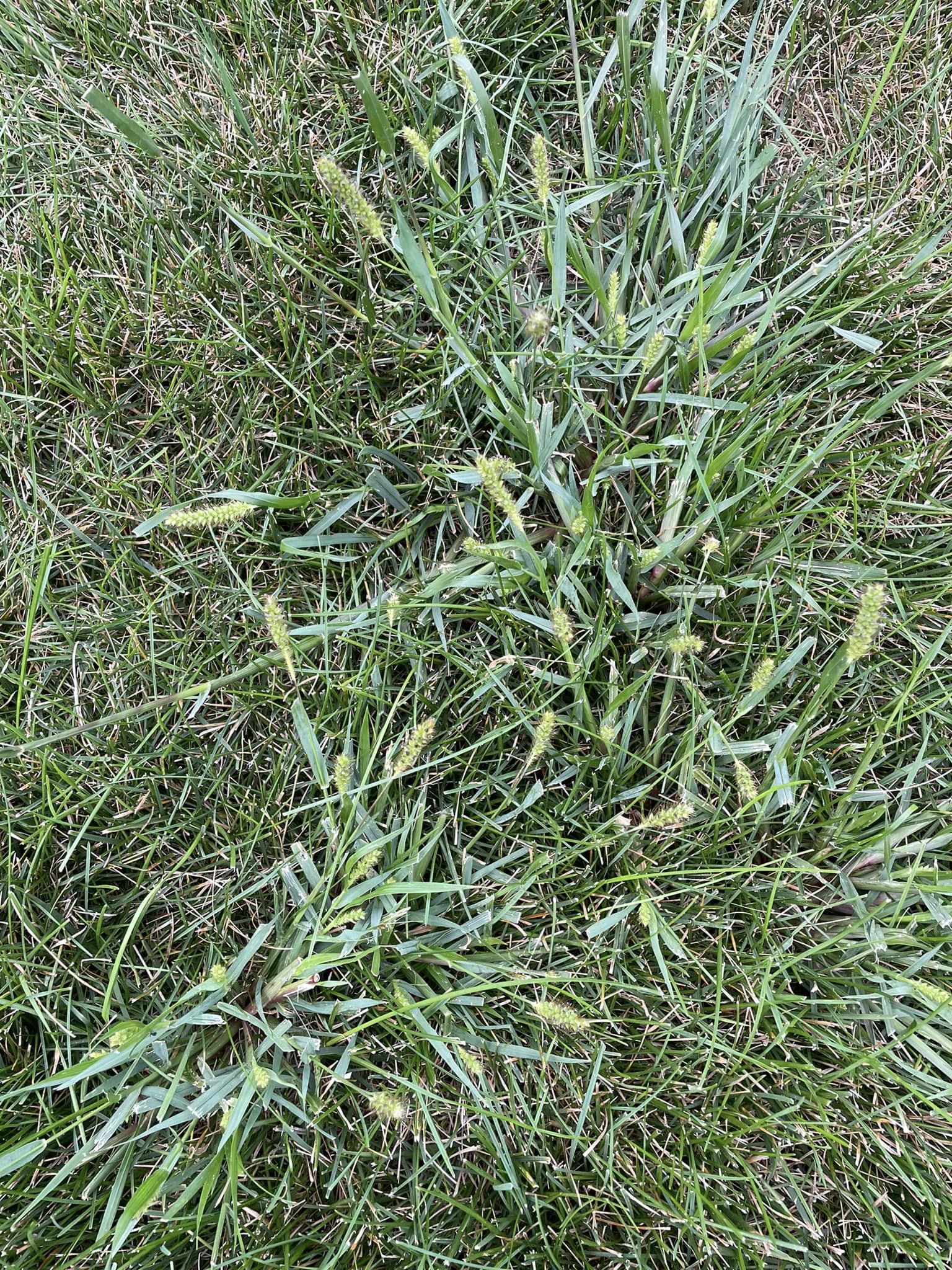
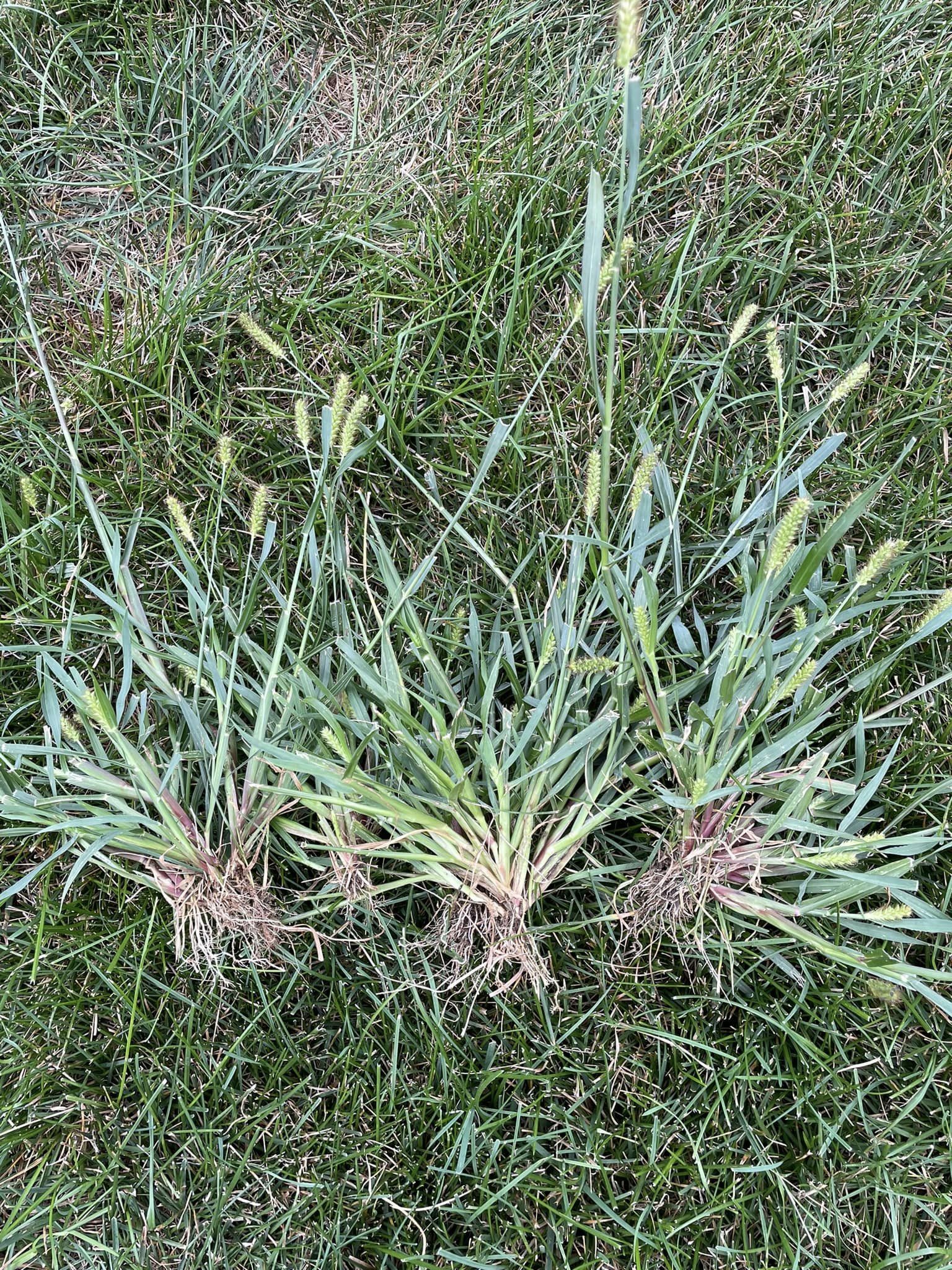
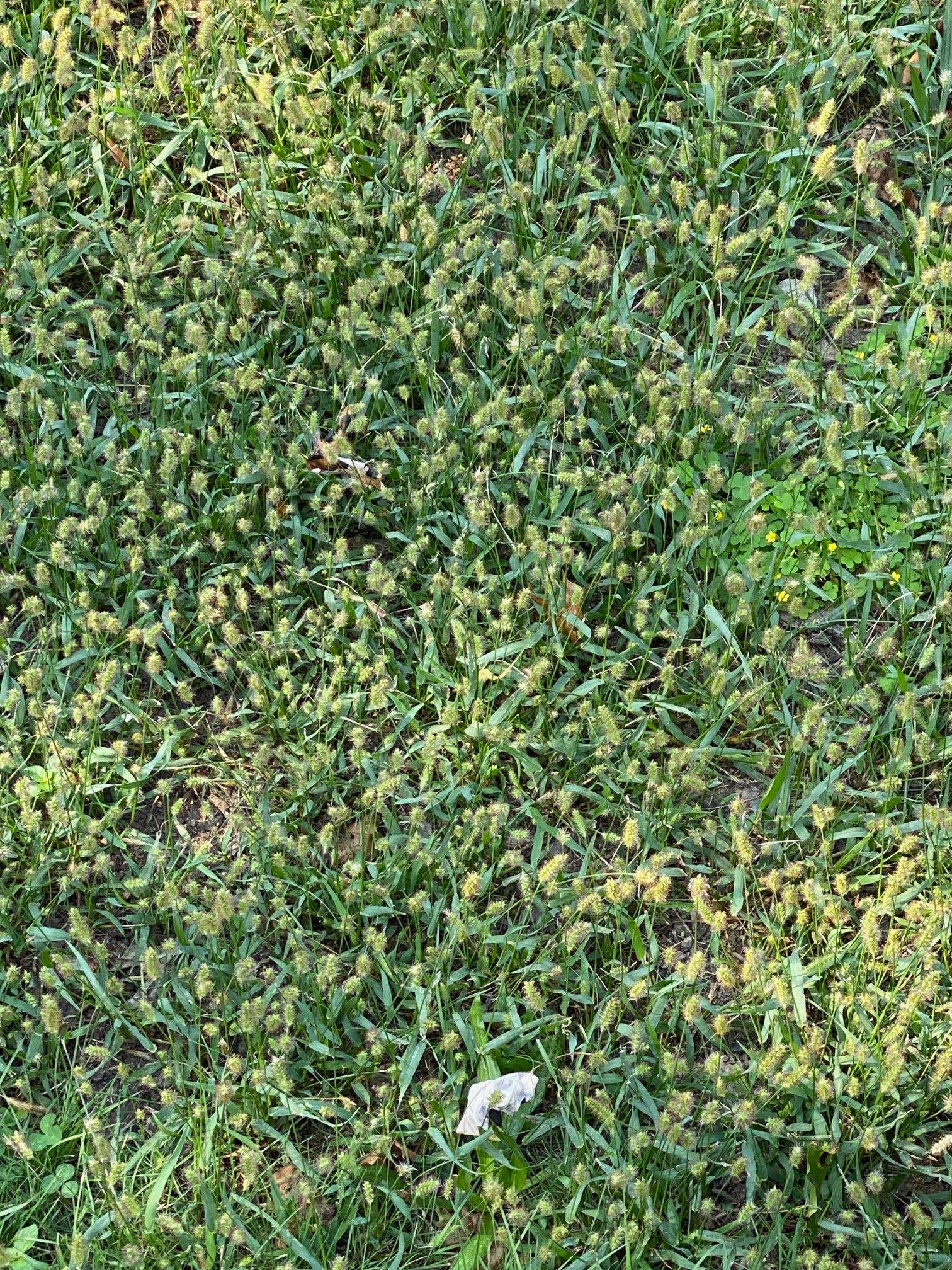
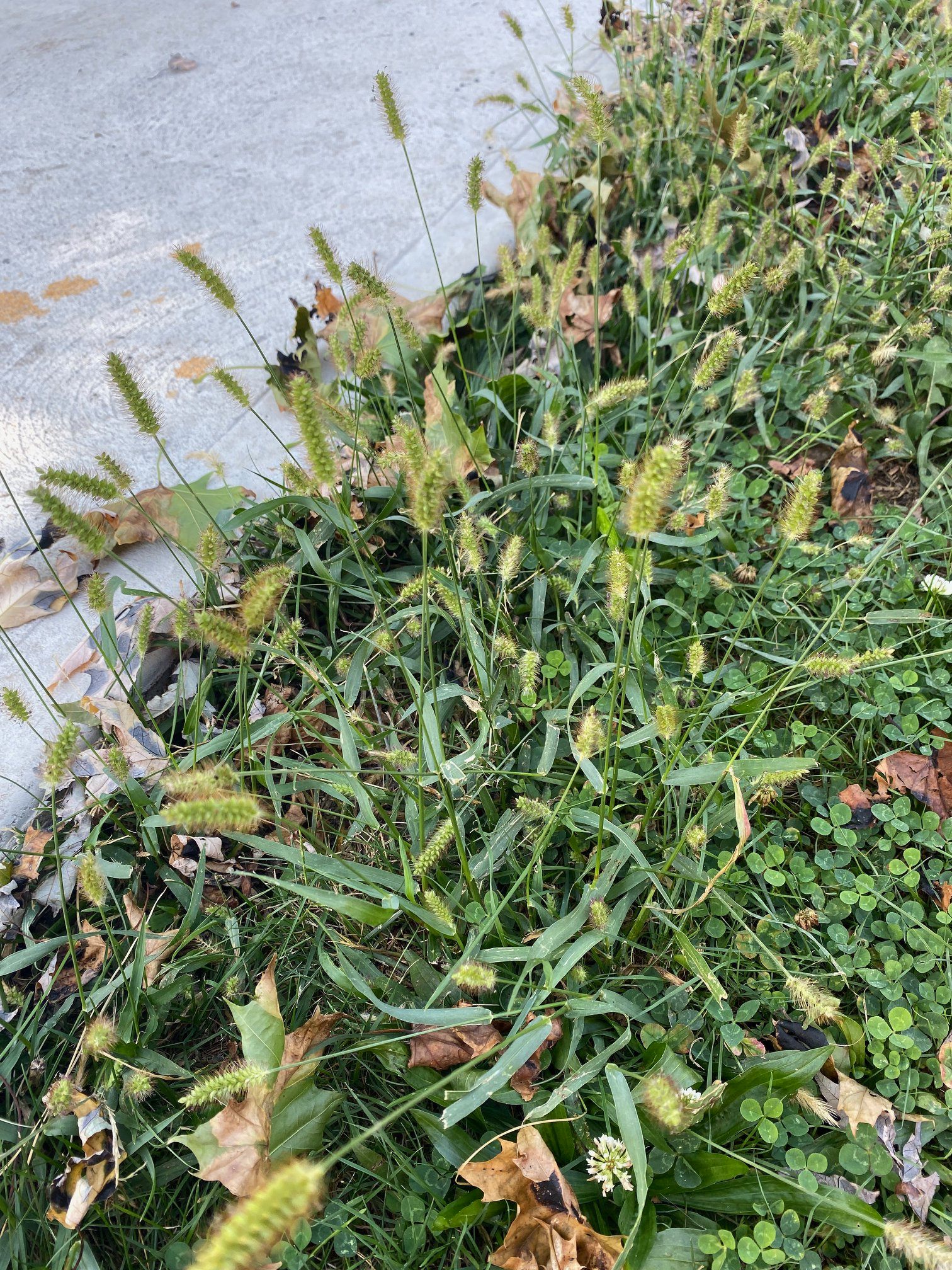
Foxtail is a summer annual grassy weed that germinates in late spring, thrives in full sun, and produces tall, bristly seed heads that resemble a fox’s tail. It typically appears in lawns with poor density or compacted soil and spreads quickly if not addressed.
There are three main species of foxtail:
- Yellow Foxtail (Setaria glauca) – Features fine hairs at the base of the leaf blade and a yellowish seed head.
- Green Foxtail (Setaria viridis) – Has a compact green seed head with smooth leaves.
- Giant Foxtail (Setaria faberi) – The largest of the three, with a drooping seed head and hairy upper leaf surfaces.
How to Get Rid of Foxtail in Your Lawn
1. Apply a Pre-Emergent Herbicide in Spring
The best way to control foxtail is by stopping it before it germinates.
When to apply:
Apply pre-emergent herbicides in early spring, when soil temperatures reach 55°F for a few consecutive days. This typically aligns with the timing for crabgrass prevention.
Recommended pre-emergents:
- Prodiamine (Barricade®) – Long-lasting control that prevents foxtail and other grassy weeds.
- Dithiopyr (Dimension® 2EW) offers both pre- and early post-emergent activity, which is ideal if you’re slightly late on your application.
Tips for success:
- Apply evenly using a broadcast spreader or sprayer.
- Water in immediately after application to activate the product.
- Reapply as directed for extended coverage throughout the growing season.
2. Use a Post-Emergent Herbicide for Active Foxtail
If foxtail has already emerged, use a post-emergent herbicide while the weeds are still young and actively growing.
When to apply:
Late spring to early summer is ideal, before seed heads fully develop.
Selective herbicides for foxtail control:
- Fenoxaprop-p-ethyl (Acclaim Extra®) is an excellent post-emergent control for cool-season lawns, such as Kentucky bluegrass, tall fescue, and perennial ryegrass.
- Quinclorac (Drive XLR8®) effectively controls foxtail and crabgrass and is safe for most cool-season and some warm-season grasses.
- Mesotrione (Tenacity®) works well on young foxtail plants; it can be used pre- and post-emergent.
- Topramezone (Pylex®) is very effective for stubborn foxtail species, especially when tank-mixed with a methylated seed oil (MSO) surfactant.
Pro tip:
Always read and follow the product label. Some herbicides may not be suitable for certain grass types, such as fine fescue or warm-season varieties like St. Augustine or centipedegrass.
3. Improve Lawn Health to Prevent Foxtail
A dense, healthy lawn is your best defense against foxtail and other grassy weeds.
Best practices:
- Mow high – Keep your grass at 3 to 4 inches to shade out weed seeds.
- Aerate compacted soil – Helps improve water and nutrient uptake for grass roots.
- Fertilize regularly – Apply a balanced fertilizer in spring and fall to promote thick turf growth.
- Overseed bare spots – Reduces open soil where foxtail can take hold.
Can You Pull Foxtail by Hand?
Yes, manual removal is possible, especially when the foxtail is young and hasn’t developed a deep root system. Pull the entire plant, including the base, to prevent regrowth. However, chemical control is more effective and time-efficient for larger infestations.
Final Thoughts
Foxtail is a persistent weed, but with the right mix of pre-emergent herbicides, post-emergent spot treatments, and consistent lawn care practices, you can take control and restore your lawn’s health.
Need a hand with weed control? Lawn Phix offers professional lawn care services in Massachusetts using licensed products and custom treatment plans. Contact us today for a free quote and get your lawn back on track.
Related Lawn Care Resources
- Best Pre-Emergent Herbicides for Lawns
- How to Get Rid of Crabgrass
- How to Overseed a Lawn in the Northeast
How to Get Rid of Foxtail in Lawns
While a healthy lawn is the best defense against invading weeds like the foxtail plant, foxtail seeds can sprout easily in soil that’s been disturbed. A struggling lawn is more vulnerable than a healthy lawn to common weeds like giant foxtails, yellow foxtails, green foxtails, and broadleaf weeds. You may want to rely on both natural and chemical means to get rid of foxtail weeds from your turf grass.
How to Get Rid of Foxtail Naturally
You can get rid of foxtail naturally by digging up each foxtail weed and removing it from the soil. However, this labor-intensive method can mar the look of your lawn. Remember, too, that disturbed soils can invite weeds like foxtail grass. Similarly, applying a thick layer of mulch on top of each foxtail weed to starve it of oxygen and sunlight will also mar the look of your green lawn. However, these methods can help you get rid of foxtail weeds naturally. Some gardeners prefer to fill a spray bottle and spray the foxtail grass with white vinegar, but this method isn’t always effective for killing foxtail grass.
How to Get Rid of Foxtail with Chemical Control
When it comes to an invasive weed like foxtail grass, chemical weed control is often the most effective option. Using a non-selective herbicide can harm nearby grasses and plants, so proceed with caution if you choose that option. Avoid spraying it during windy weather. Ideally, use a good pre-emergent herbicide in early spring to prevent foxtail weeds from producing their seed head. Be sure to choose pre and post-emergent herbicides that are safe for use on your lawn type. Early foxtail grass control is recommended to quickly eliminate this weed from your lawn.
How to Prevent Foxtail Weeds
Healthy turf grass can often do a good job of fending off foxtail grass and other weeds. Establishing a good lawn maintenance routine will help you support the health of your turf grass so that it’s less vulnerable to invasive weeds like yellow foxtails and others. Routine mowing will help prevent foxtail grass from developing its seed head and spreading seeds. Applying a pre-emergent herbicide in the spring is also a reliable preventative measure for keeping an invasive weed like foxtail grass out of your lawn.
Foxtail Weeds FAQs
How do I get rid of foxtail weeds without killing my grass?
You can apply a safe pre-emergent or post-emergent herbicide to the type of turf grass you have.
What kills foxtail weeds in your yard?
You can kill foxtail weeds using a chemical herbicide that’s safe for your lawn and particular grass type.
Does mowing control foxtail weeds?
Yes, mowing can help control foxtail grass if it’s appropriately timed. Once the seed head has formed, plan to mow your lawn. However, you must mow before it has a chance to self-seed. Be sure mower blades have sharp edges.
Video source: https://www.solutionsstores.com/foxtail-control